VIAL LYOPHILIZED

BPC-157 (10mg)

In Stock

Nomenclature & Synonyms

The peptide BPC-157 stands for Body Protection Compound-157. It does not have well-established pharmaceutical development codes outside of this designation. BPC-157 is a synthetic peptide fragment inspired from a protein found in human gastric juice but does not have a direct parent protein from which it is derived in a straightforward manner. Alternative naming conventions in literature predominantly use the abbreviation BPC-157.

Structural Characteristics

BPC-157 consists of 15 amino acids with the sequence Gly-Glu-Pro-Pro-Pro-Gly-Lys-Pro-Ala-Asp-Asp-Ala-Gly-Leu-Val. The peptide does not have any specific modifications such as N-terminal acetylation or C-terminal amidation. It is a standalone fragment not directly linked to a specific section of a parent protein.

Molecular Pharmacology

BPC-157's precise receptor targets remain under investigation, but it is hypothesized to interact with growth-promoting pathways and cellular signaling mechanisms. It may influence the vascular endothelial growth factor (VEGF) pathway and nitric oxide (NO) synthesis. Studies suggest potential interactions with pathways such as cAMP/PKA and PI3K/Akt, although exact receptor bindings or EC50/IC50 values are not well-documented in current literature.

Research Applications

  • BPC-157 was first described in scientific research in the early 1990s.
  • Developed and first synthesized by a team at the University of Zagreb, Croatia.
  • Investigated in cellular systems to evaluate its effects on tissue repair and angiogenesis.
  • Studies have demonstrated its influence on cellular regeneration in damaged tissues.

Technical Properties

It is soluble in sterile water at 1mg/mL. The recommended reconstitution suggests gentle agitation to achieve full dissolution, without vial shaking. The stability of BPC-157 is preserved when lyophilized and it should be stored at -20°C. Reconstituted peptide should be used promptly or stored at 4°C for short-term stability, otherwise re-frozen at -20°C for longer-term preservation.

Compliance

For laboratory research use only. Not for human or veterinary use. Not intended for diagnostic, therapeutic, or preventive applications.

$55.00
Earn 5,500 points
In Stock (57 available)
Viewed 0 times today
Purchased 0 times this week
(57 available)

Product Description

Nomenclature & Synonyms

The peptide BPC-157 stands for Body Protection Compound-157. It does not have well-established pharmaceutical development codes outside of this designation. BPC-157 is a synthetic peptide fragment inspired from a protein found in human gastric juice but does not have a direct parent protein from which it is derived in a straightforward manner. Alternative naming conventions in literature predominantly use the abbreviation BPC-157.

Structural Characteristics

BPC-157 consists of 15 amino acids with the sequence Gly-Glu-Pro-Pro-Pro-Gly-Lys-Pro-Ala-Asp-Asp-Ala-Gly-Leu-Val. The peptide does not have any specific modifications such as N-terminal acetylation or C-terminal amidation. It is a standalone fragment not directly linked to a specific section of a parent protein.

Molecular Pharmacology

BPC-157's precise receptor targets remain under investigation, but it is hypothesized to interact with growth-promoting pathways and cellular signaling mechanisms. It may influence the vascular endothelial growth factor (VEGF) pathway and nitric oxide (NO) synthesis. Studies suggest potential interactions with pathways such as cAMP/PKA and PI3K/Akt, although exact receptor bindings or EC50/IC50 values are not well-documented in current literature.

Research Applications

  • BPC-157 was first described in scientific research in the early 1990s.
  • Developed and first synthesized by a team at the University of Zagreb, Croatia.
  • Investigated in cellular systems to evaluate its effects on tissue repair and angiogenesis.
  • Studies have demonstrated its influence on cellular regeneration in damaged tissues.

Technical Properties

It is soluble in sterile water at 1mg/mL. The recommended reconstitution suggests gentle agitation to achieve full dissolution, without vial shaking. The stability of BPC-157 is preserved when lyophilized and it should be stored at -20°C. Reconstituted peptide should be used promptly or stored at 4°C for short-term stability, otherwise re-frozen at -20°C for longer-term preservation.

Compliance

For laboratory research use only. Not for human or veterinary use. Not intended for diagnostic, therapeutic, or preventive applications.
Research Benefits

  • Ideal for research purposes
The benefits listed above are research benefits only. Products are not sold for human use or consumption.

Technical Specifications

SKU
SKU-1746440727500
CAS Number
137525-51-0
Molecular Formula
C62H98N16O22
Molecular Weight
1419.55 g/mol
Purity
≥98%
Form
none
Concentration
10mg/vial
Category
Vials, Lyophilized
Storage
Store lyophilized peptide at -20°C. After reconstitution, store at 2-8°C for up to 30 days.

Product reviews

Preparing verified reviews…
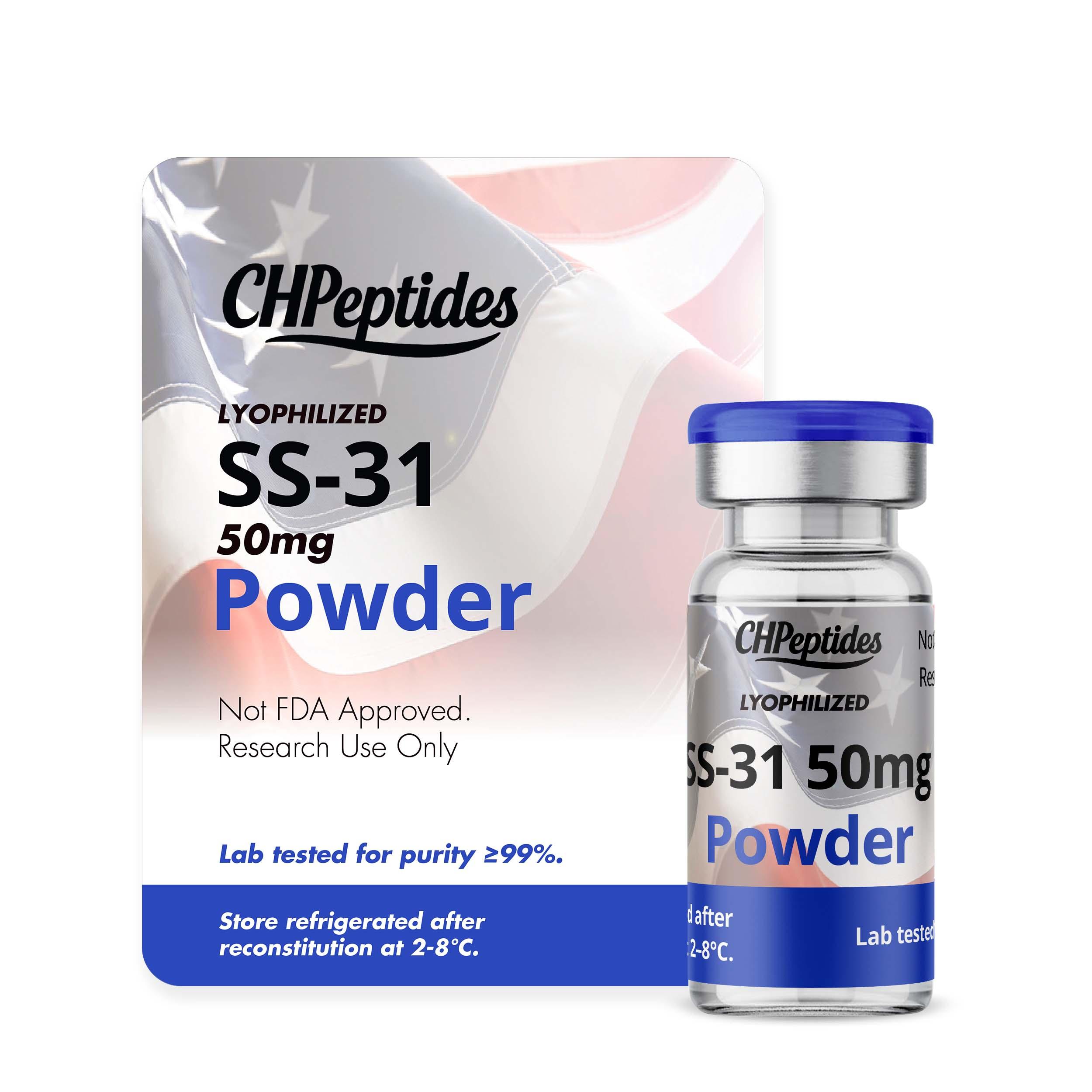
SS-31 (50mg)
VIAL LYOPHILIZED

SS-31 (50mg)

Mitochondria-targeted peptide with antioxidant properties being researched for cellular protection mechanisms. Studies focus on mitochondrial function and oxidative stress response.
In Stock
$185.00
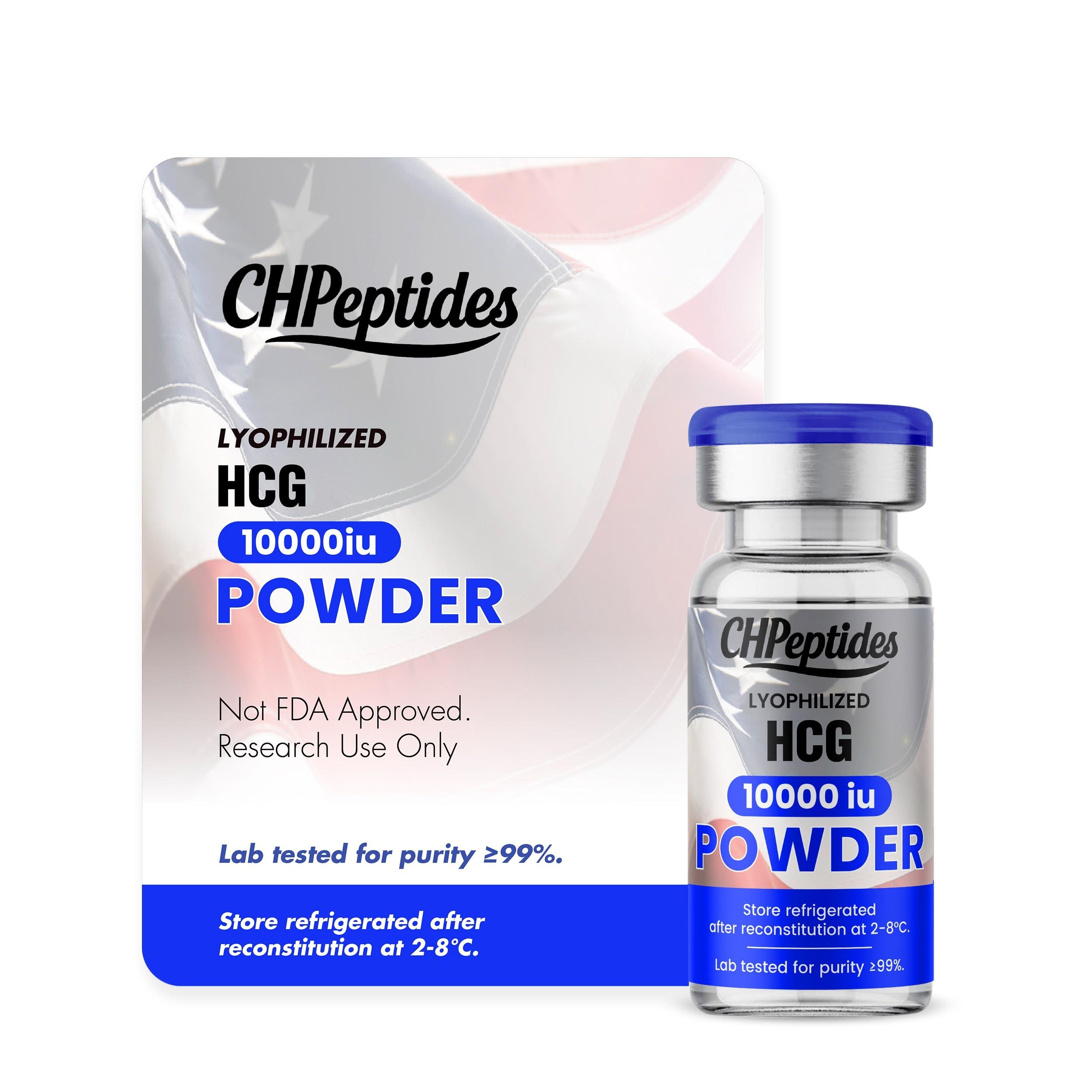
HCG (10000iu)