
Catalog statistics
- Total Products
- 94
- Categories
- 12
- Featured Items
- 4
94 products
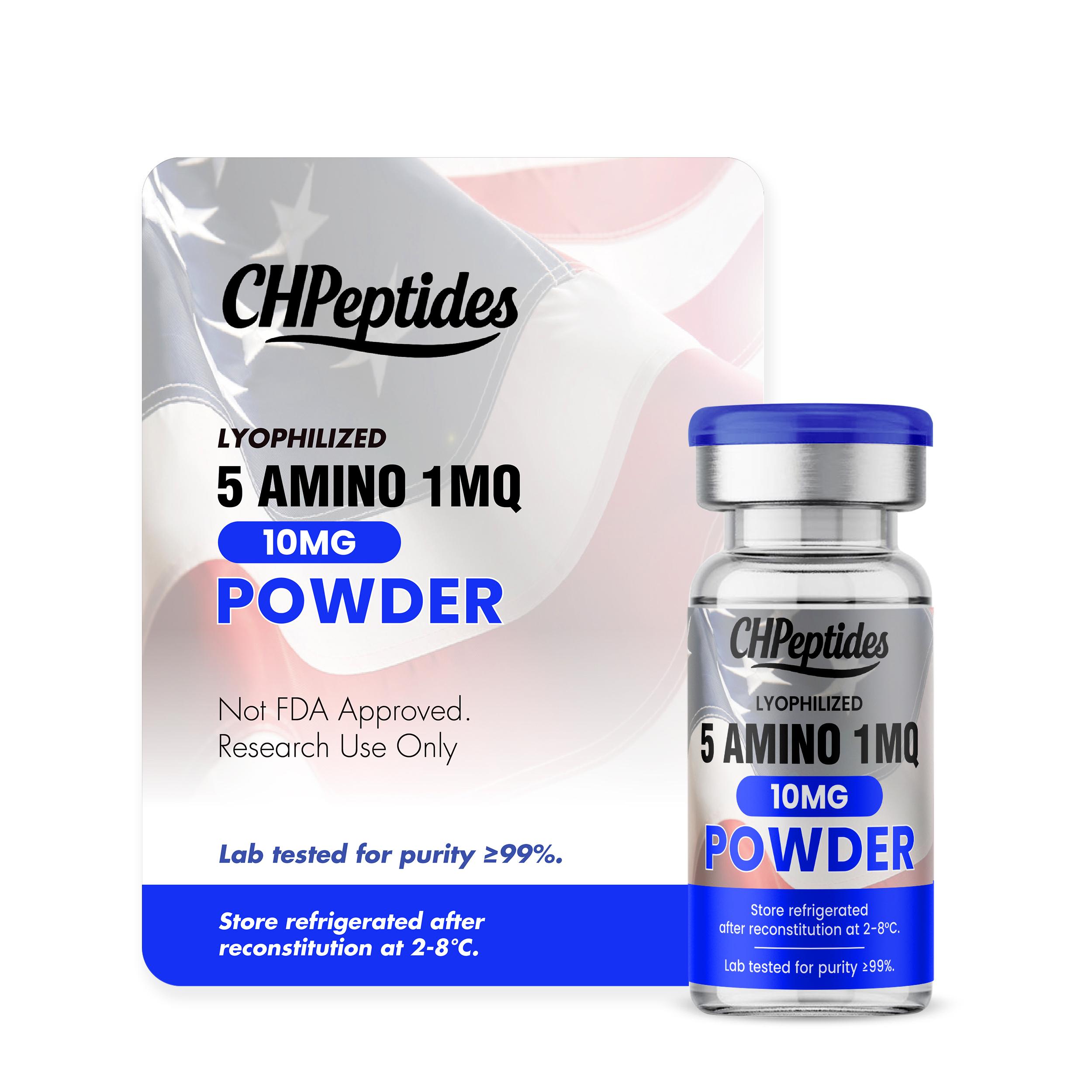
5 Amino 1MQ (10mg)
Nomenclature & Synonyms
The compound known as 5-Amino-1MQ is chemically referred to as 5-Amino-1-methylquinolinium. There are no widely reported specific research or development codes associated with this compound in public literature. It is structurally derived from quinolinium compounds.
Structural Characteristics
5-Amino-1MQ is not a peptide and does not have an amino acid sequence. Its structure includes a quinolinium core with a methyl group at the first position and an amino group at the fifth position, which is crucial for its activity. It does not possess peptide bond modifications, such as N-terminal acetylation or C-terminal amidation, but the presence of the amino group is central to its functional properties.
Molecular Pharmacology
5-Amino-1MQ targets the enzyme nicotinamide N-methyltransferase (NNMT), and it acts as an inhibitor. Its inhibition mechanism has been primarily associated with downregulating the methylation pathway, affecting NAD+ and energy metabolism. Currently, detailed EC50/IC50 values are not broadly documented in literature. The compound has been shown to alter metabolic pathways related to nicotinamide-adenine-dinucleotide (NAD+) levels and sirtuin signaling.
Research Applications
- First synthesized and described in the early 2000s, 5-Amino-1MQ has primarily been investigated in cellular models related to metabolic studies.
- Studies have demonstrated its impact on modulating metabolic rate and energy expenditure in vitro.
- Investigations focus on its role within systems where nicotinamide metabolism is critical.
Technical Properties
5-Amino-1MQ is soluble in dimethyl sulfoxide (DMSO) and can be solubilized at concentrations up to 10 mg/mL for experimental applications. For stability, the compound should be stored in a dry, light-protected environment and reconstituted solutions should be used promptly to ensure efficacy. Lyophilized powder remains stable under recommended storage conditions.
Compliance
For laboratory research use only. Not for human or veterinary use. Not intended for diagnostic, therapeutic, or preventive applications.
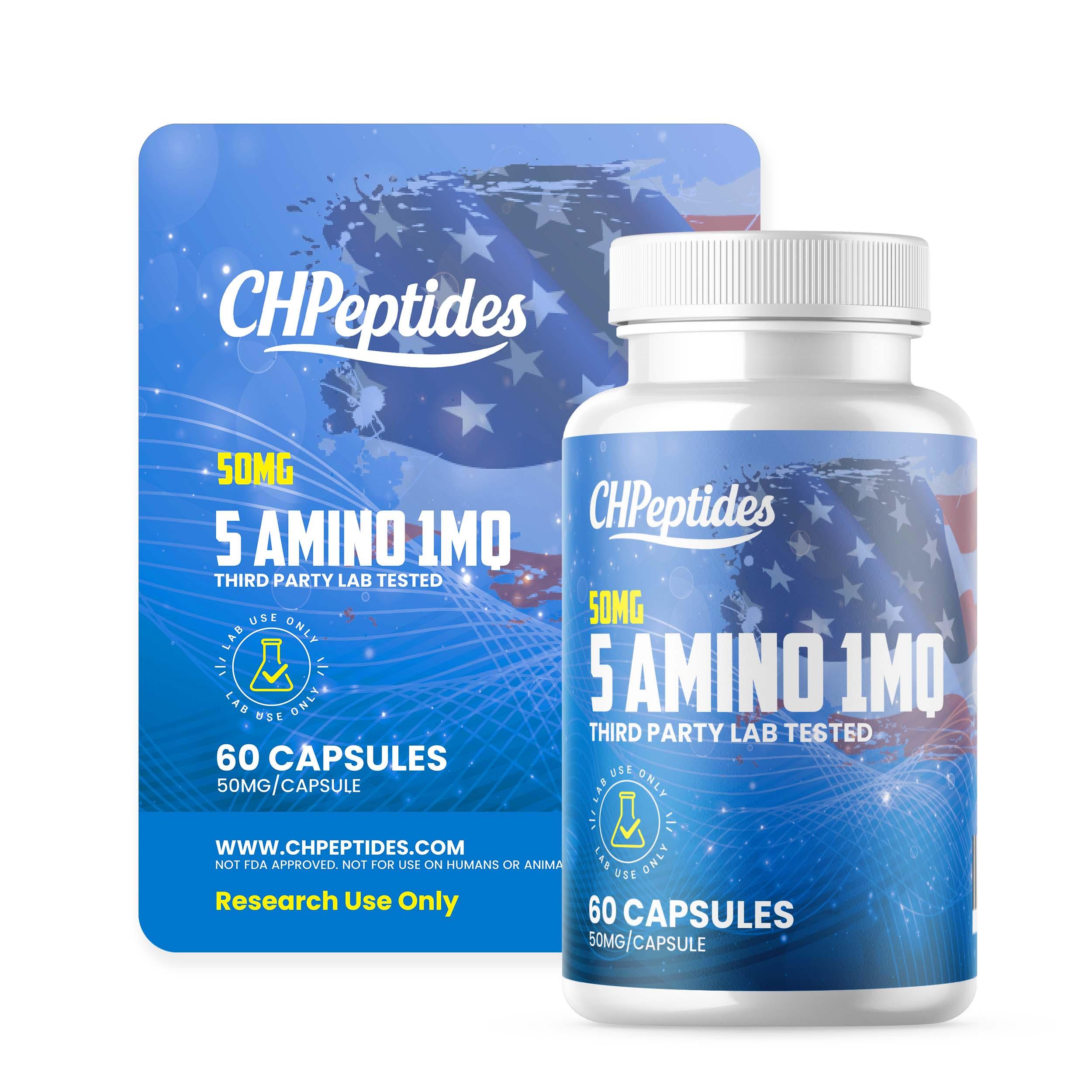
5 Amino 1MQ (50mg-60)
Nomenclature & Synonyms
The chemical name for 5 Amino 1MQ is 4-Amino-2-(2,6-dimethylphenyl)-1H-quinazolin-6-one. It is referenced in research contexts without specific codes identified in the literature. The compound is derived from the core structure of quinazolinone, commonly studied for their various biological activities.
Structural Characteristics
5 Amino 1MQ is not a peptide and thus does not have an amino acid sequence; it is instead a small molecule chemical compound. The structure is a quinazolinone derivative with a specific amine modification at the 5 position of the quinazolinone ring.
Molecular Pharmacology
Research into 5 Amino 1MQ focuses on its potential to influence nicotinamide N-methyltransferase (NNMT) activity. This enzyme is involved in various cellular metabolic pathways, and its modulation can impact cellular processes such as energy metabolism. Specific receptor targets are not identified, but its inhibitory effect on NNMT has been a point of study.
Research Applications
- 5 Amino 1MQ has been investigated for its role in modulating cellular energy metabolism via NNMT inhibition.
- Studies have demonstrated its potential effects on adipocyte biology and related metabolic pathways.
Technical Properties
5 Amino 1MQ is soluble in organic solvents such as DMSO. It has been reconstituted at concentrations suitable for in vitro assays. Stability data indicates that the compound retains activity in its lyophilized form when stored appropriately, with recommendations for light protection.
Compliance
For laboratory research use only. Not for human or veterinary use. Not intended for diagnostic, therapeutic, or preventive applications.
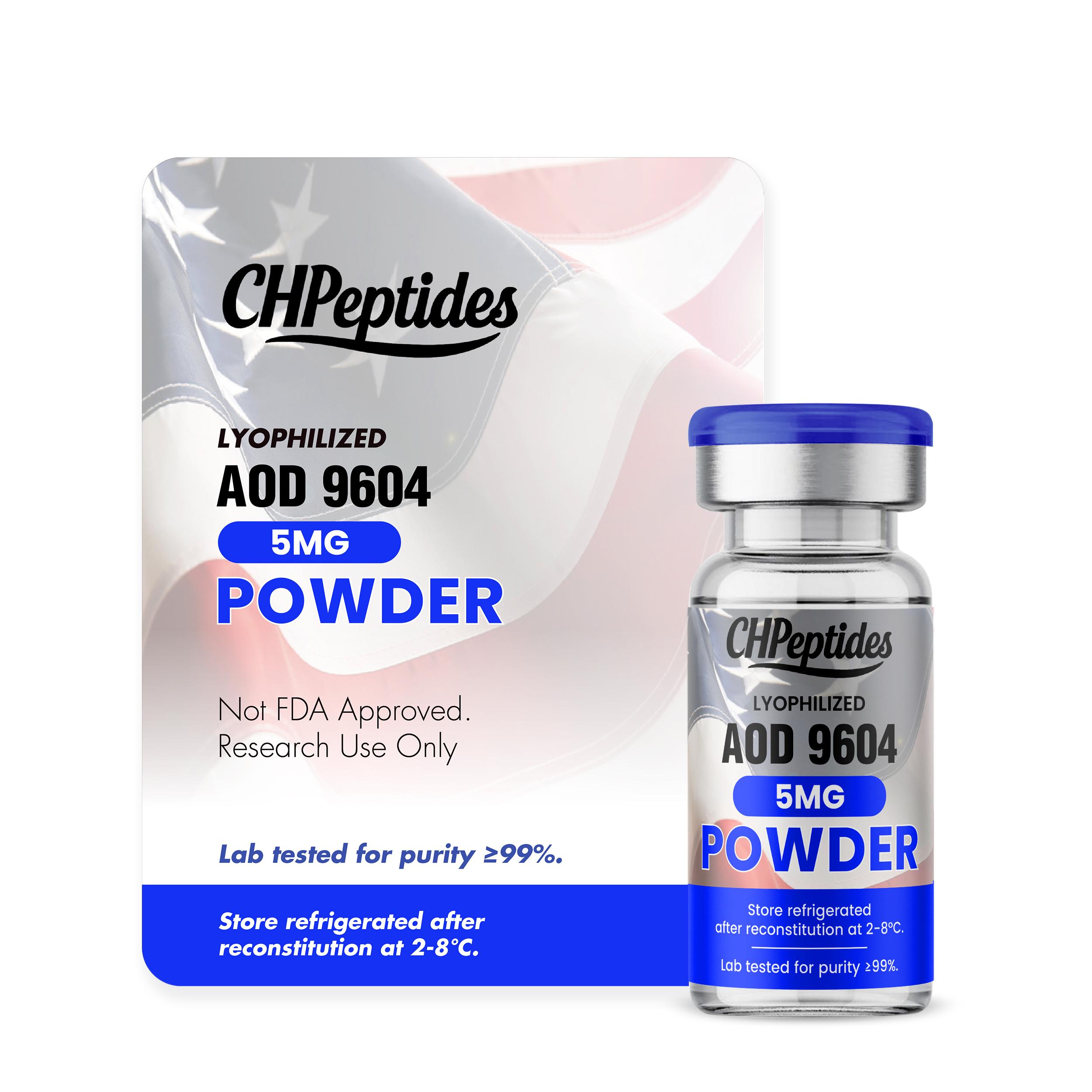
AOD-9604 (5mg)
Nomenclature & Synonyms
AOD-9604, known scientifically as Tyr-hGH Frag 177-191, is a synthetic peptide derived from the C-terminal fragment of human growth hormone (hGH). Other research identifiers include Tyr-Gly-Gly-Phe-Met-Ser-Ala-Ile-His-Thr. It was developed by Professor Frank Ng with Metabolic Pharmaceuticals Ltd as part of a series of peptide fragments designed to dissociate the lipolytic and anabolic effects of hGH.
Structural Characteristics
This peptide consists of 15 amino acids: H-Tyr-Leu-Arg-Ile-Val-Gln-Cys-Thr-Ser-Leu-Glu-Gly-Ser-Cys-Gly-OH. It features a disulfide bridge between Cys182 and Cys189, crucial for its biological activity, preserving the lipolytic capacity without eliciting typical growth hormone responses.
Molecular Pharmacology
AOD-9604 primarily interacts with the β3-adrenergic receptor and is believed to function as a partial agonist, activating lipolytic pathways, specifically the cAMP/PKA signaling cascade. This activation facilitates the breakdown of fat without altering insulin sensitivity. Though specific EC50 values are not extensively published, studies highlight its comparative specificity to induce lipolysis over anabolic effects inherent to full-length hGH.
Research Applications
- Initially synthesized in the late 1990s, AOD-9604 has been scrutinized for its ability to target adipose tissues in vitro via lipolytic activity.
- Studies have demonstrated its role in modulating fat metabolism and investigating hGH fragment-derived peptides in metabolic research.
- It has been extensively studied in murine and adipocyte culture systems to understand non-growth promoting mechanisms of hGH.
Technical Properties
AOD-9604 is soluble in sterile water, typically at concentrations of 1mg/mL. Reconstitution is recommended using sterile solvent, following lyophilization. The lyophilized form is stable at room temperature if kept dry and sealed, but once reconstituted, it remains stable for up to 2 weeks if stored at 2-8°C.
Compliance
For laboratory research use only. Not for human or veterinary use. Not intended for diagnostic, therapeutic, or preventive applications.
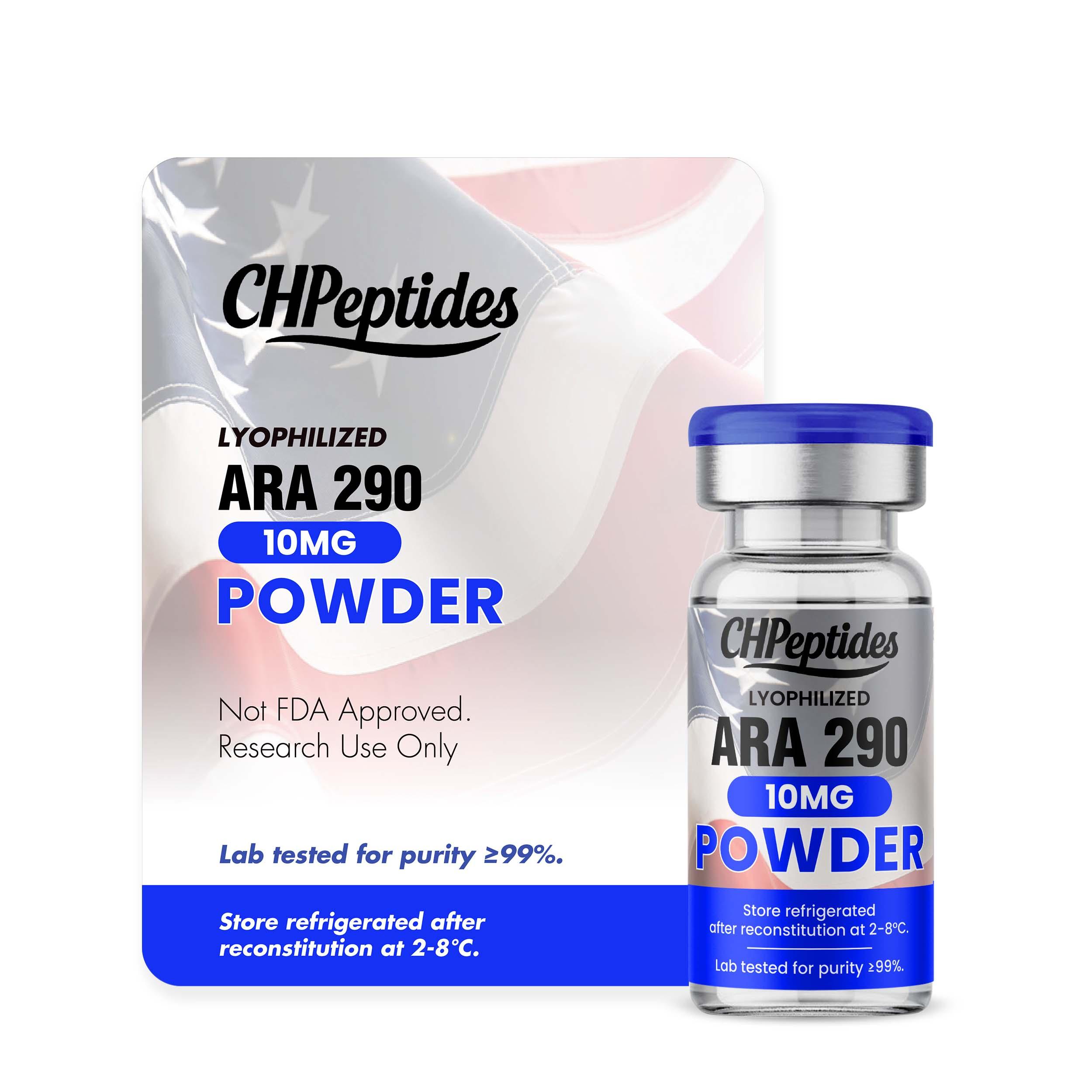
ARA-290 (10mg)
Nomenclature & Synonyms
ARA-290, also known as pyroglutamate helix B surface peptide (pHBSP), is a derivative of erythropoietin's helix B domain. Research codes or alternative naming conventions have primarily referred to it as ARA-290 or pHBSP without additional designations.
Structural Characteristics
The peptide sequence for ARA-290 is Ac-SLTTLLRALGAWGEHPGK-F-NH2, comprising 11 amino acids with specific N-terminal acetylation and C-terminal amidation. This sequence mimics the helix B region of erythropoietin, which is pivotal for its biological activity.
Molecular Pharmacology
ARA-290 targets the innate repair receptor (IRR), a heteromeric receptor complex formed by the erythropoietin receptor (EPOR) and β-common receptor (βcR). It functions as an agonist, promoting anti-inflammatory and tissue protective pathways. Key signaling pathways include PI3K/Akt and MAPK/ERK, resulting in cytoprotective and regenerative effects. The EC50 or IC50 values specific to receptor interactions have yet to be extensively characterized in literature.
Research Applications
- First synthesized in the early 2000s by Araim Pharmaceuticals, ARA-290 has been explored primarily within cellular models of inflammation and tissue repair.
- Studies have demonstrated potent anti-inflammatory effects and enhanced wound healing in vitro, leveraging its interaction with the IRR to facilitate these processes.
Technical Properties
ARA-290 is soluble in sterile water at concentrations of 1 mg/mL. It is recommended to reconstitute the peptide in an appropriate solvent prior to experimental protocols. Lyophilized ARA-290 is stable for up to 24 months at -20°C, whereas reconstituted solutions should be stored at -80°C and used within a month to ensure biological activity.
Compliance
For laboratory research use only. Not for human or veterinary use. Not intended for diagnostic, therapeutic, or preventive applications.
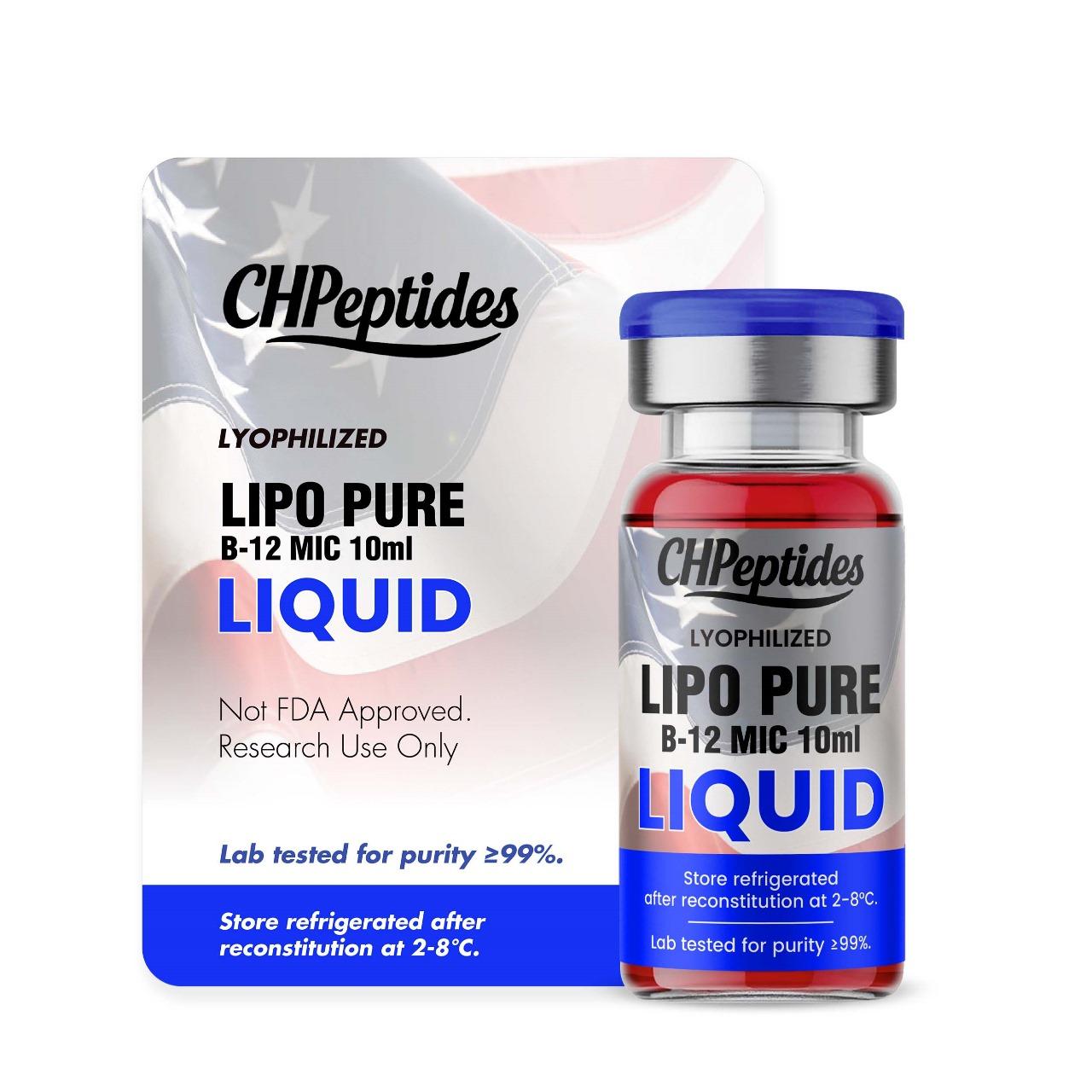
B-12 MIC | LIPO PURE (10mL)
Nomenclature & Synonyms
B-12 MIC refers to a methylcobalamin formulation frequently researched for its biochemical attributes and bioavailability characteristics. It does not have designated research or development codes in pharmaceutical settings or alternative scientific naming conventions commonly used in literature.
Structural Characteristics
The compound does not involve a specific peptide sequence but comprises a cobalamin core with a modified methyl group. It is characterized by its coordination to cobalt, forming a corrin ring that directly influences its biological activity.
Molecular Pharmacology
Methylcobalamin is notably studied for its involvement in pathways such as methionine synthesis. It acts as a coenzyme in the conversion of homocysteine to methionine, leveraging the enzyme methionine synthase. Its interaction does not fit typical receptor-ligand models but is integral to enzymatic function and genetic regulation, including DNA synthesis pathways.
Research Applications
- Studies have demonstrated its essential role in maintaining adequate nerve function.
- Explored in systems investigating interactions with B-vitamin-dependent pathways.
Technical Properties
Methylcobalamin is moderately soluble in water, with a suggested reconstitution concentration of approximately 1mg/mL for experimental contexts. It remains stable in lyophilized form when stored adequately under desiccated conditions and preserves stability for extended periods post-reconstitution if stored at low temperatures.
Compliance
For laboratory research use only. Not for human or veterinary use. Not intended for diagnostic, therapeutic, or preventive applications.
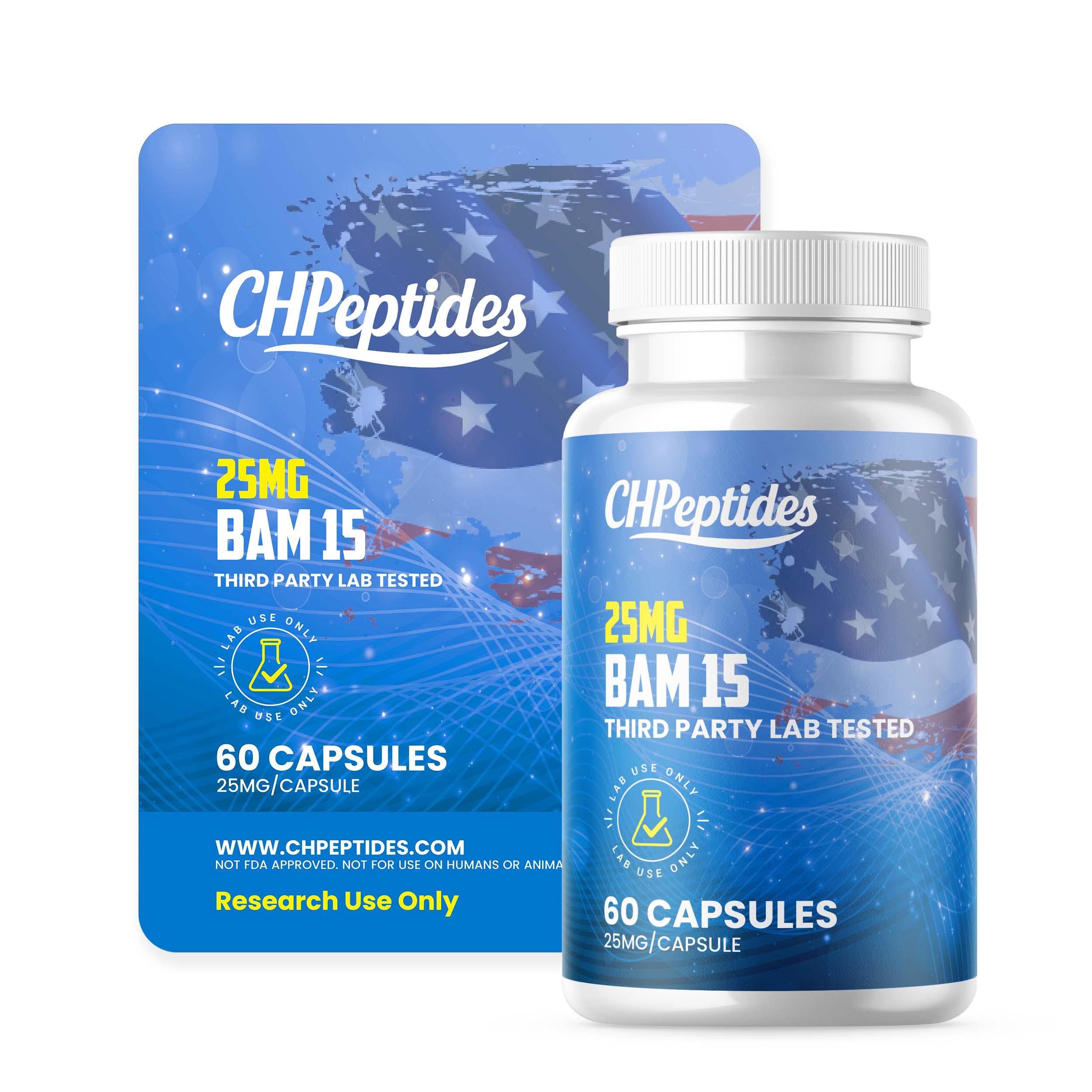
BAM15 (25mg-60)
Nomenclature & Synonyms
BAM15 is known scientifically as N-hydroxy-N',N'-dimethyl-N-(5-(4-((2-phenylthiazol-4-yl)methyl)piperazin-1-yl)pentyl)-3-phenylpropionamide. In scientific literature, it may be referred to without a specific research code, as it is not derived from protein sequences. It was first synthesized by researchers in academia studying mitochondrial uncouplers.
Structural Characteristics
BAM15 is a small molecule rather than a peptide, and does not have an amino acid sequence. Its structure includes a thiazole ring system and a piperazine moiety, contributing to its activity as a mitochondrial uncoupler. There are no residues or peptide fragments associated with it, as it is not peptide-based.
Molecular Pharmacology
BAM15 functions as a mitochondrial uncoupler, disrupting the proton gradient across the mitochondrial inner membrane, leading to increased energy expenditure. This mechanism does not involve traditional receptor binding such as GPCRs, hence does not target conventional receptors like GLP-1R or β3-AR. Studies have shown that BAM15 can increase cellular respiration and energy expenditure by dissipating the electrochemical gradient, although exact pathways such as cAMP/PKA or MAPK/ERK are not directly engaged.
Research Applications
- Studies have demonstrated BAM15's role in increasing mitochondrial respiration and decreasing reactive oxygen species (ROS) in various in vitro models, particularly in adipocytes and hepatocytes.
- Research primarily focuses on cellular bioenergetics and the potential to explore metabolic modulation without receptor-specific targeting.
Technical Properties
BAM15 is soluble in DMSO and organic solvents rather than aqueous solutions. It is typically reconstituted in these solvents for research purposes. Stability data indicates that while BAM15 is stable in its lyophilized form, precautions should be taken to store reconstituted solutions at low temperatures to prevent degradation.
Compliance
For laboratory research use only. Not for human or veterinary use. Not intended for diagnostic, therapeutic, or preventive applications.
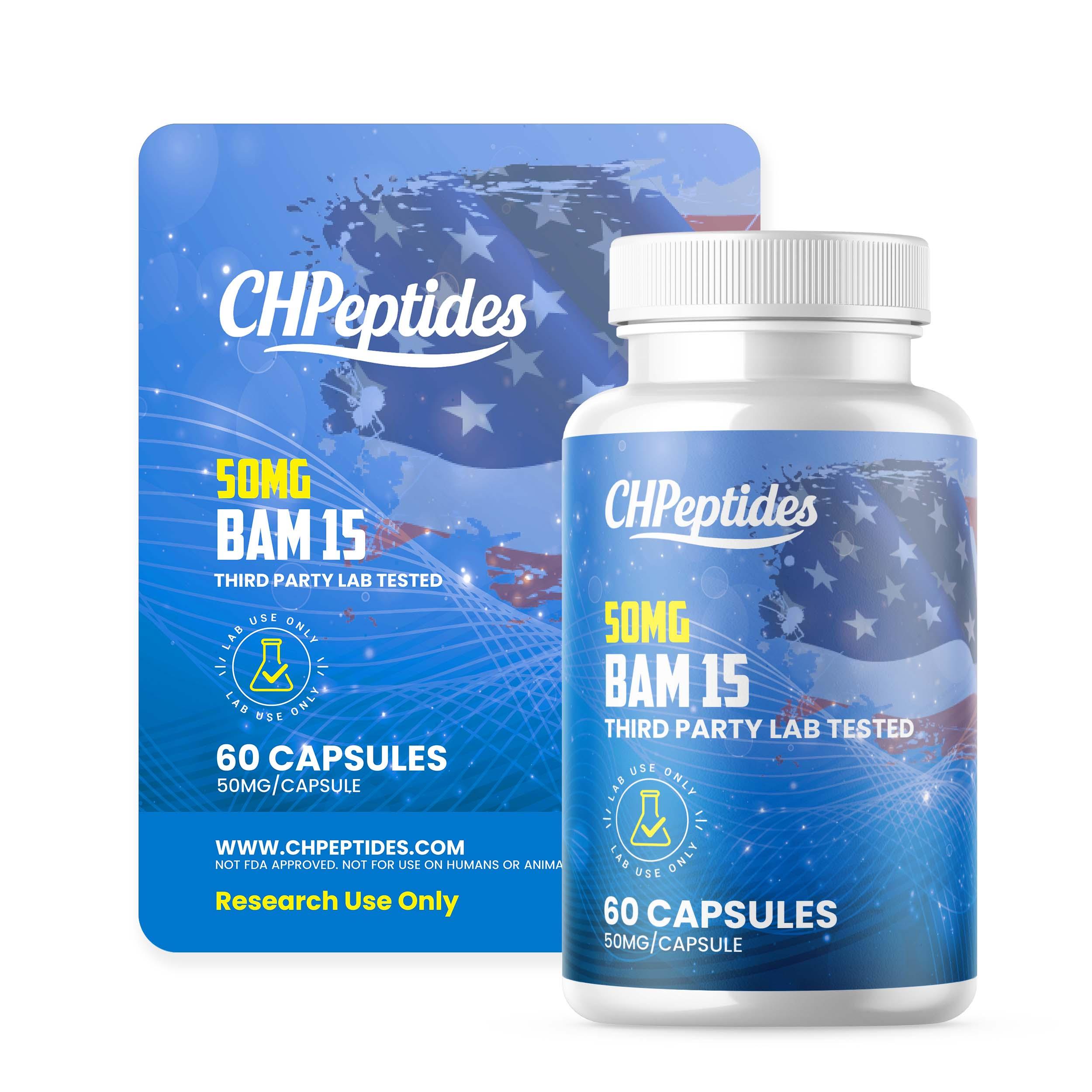
BAM15 (50mg-60)
Nomenclature & Synonyms
BAM15 is identified as a mitochondrial uncoupler with the full chemical name N5,N6-bis(benzyloxycarbonyl)-D-antenyl glycinamide. It has been referenced under the research code BAM-15 in scientific studies. It does not derive from a parent compound, as it is synthetically designed for mitochondrial research applications.
Structural Characteristics
BAM15 does not possess an amino acid sequence as it is not a peptide-based compound. As a small molecule, it lacks peptide chain modifications such as N-terminal acetylation or disulfide bonds typically mentioned in peptide-based research.
Molecular Pharmacology
BAM15 acts as a protonophore which uncouples oxidative phosphorylation by facilitating the transport of protons across the mitochondrial inner membrane, disrupting the proton gradient. This uncoupling action is not mediated through specific receptor binding but rather through its physicochemical properties. It disrupts membrane potential, thereby affecting ATP synthesis without involving typical cellular signaling cascades like cAMP/PKA, MAPK/ERK, or PI3K/Akt.
Research Applications
- First reported in 2014 by a team of researchers aiming to explore mitochondrial bioenergetics.
- Used predominantly in studies focusing on cellular metabolism, oxidative stress, and metabolic homeostasis.
- Demonstrated in vitro to lower mitochondrial membrane potential and increase cellular respiration rates without depolarizing plasma membranes.
Technical Properties
BAM15 demonstrates solubility in DMSO and ethanol at a recommended concentration for experimental use. For research purposes, it should be dissolved at 50 mg/mL concentrations, with stability maintained when stored as a lyophilized powder. Once reconstituted, solutions should be used promptly or stored at -20°C to preserve activity.
Compliance
For laboratory research use only. Not for human or veterinary use. Not intended for diagnostic, therapeutic, or preventive applications.
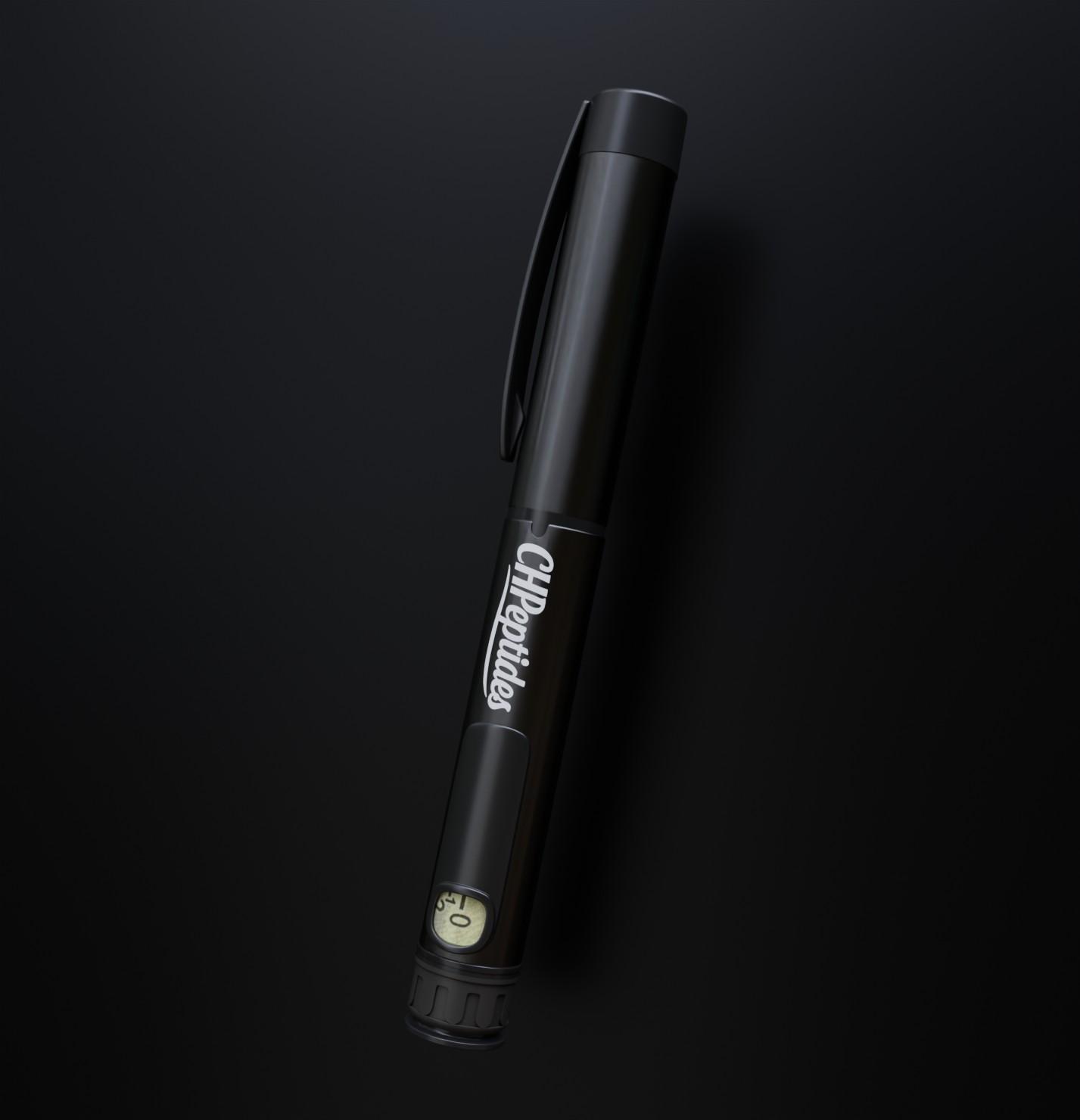
Black | Reusable Peptide Pen (V2)
The reusable peptide pen is a compact, handheld device engineered to deliver precise doses of peptide solutions through subcutaneous injection. It features a refillable cartridge, an adjustable dosage dial, and a spring-loaded needle for consistent application. Made from lightweight materials, it’s portable and minimizes waste compared to single-use options.
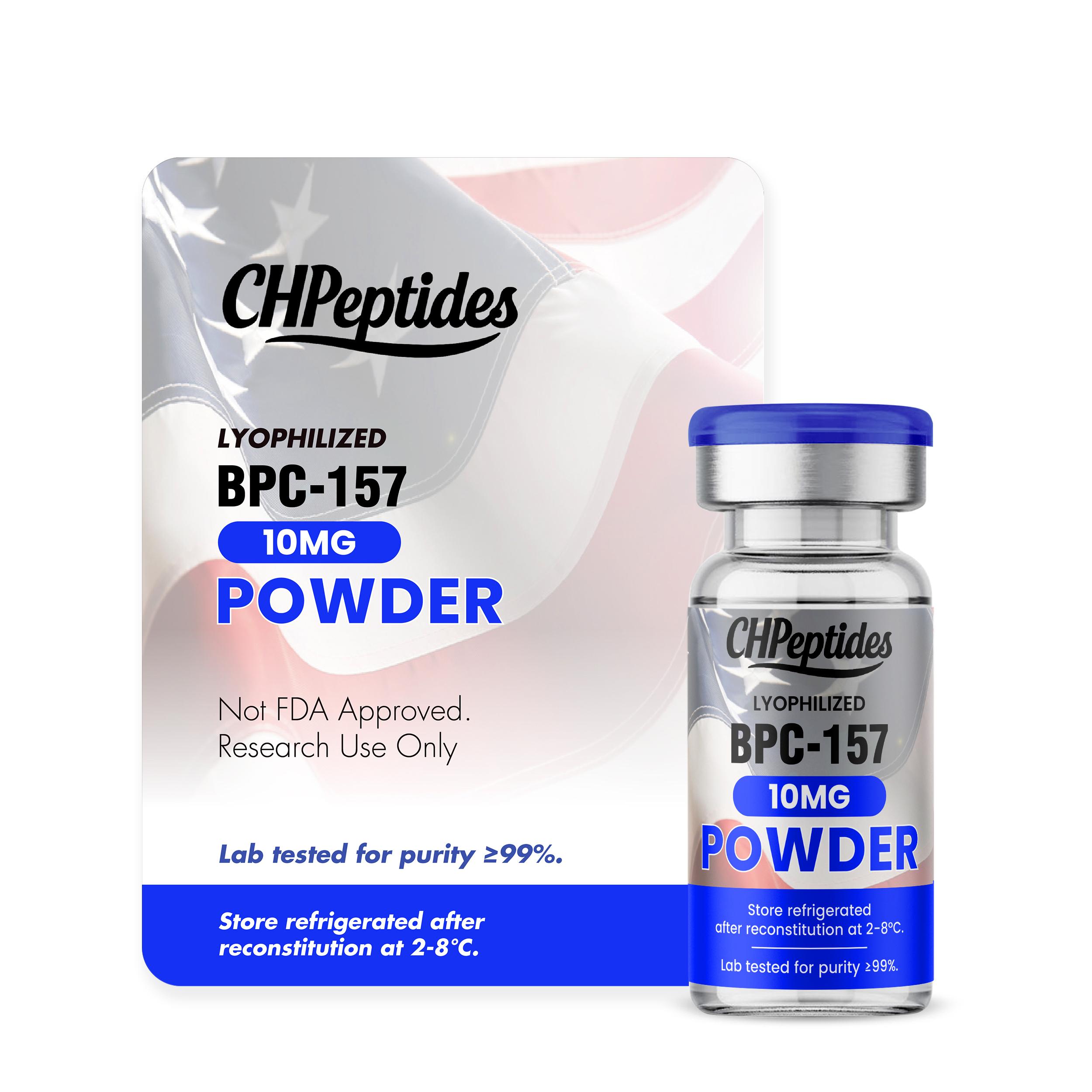
BPC-157 (10mg)
Nomenclature & Synonyms
The peptide BPC-157 stands for Body Protection Compound-157. It does not have well-established pharmaceutical development codes outside of this designation. BPC-157 is a synthetic peptide fragment inspired from a protein found in human gastric juice but does not have a direct parent protein from which it is derived in a straightforward manner. Alternative naming conventions in literature predominantly use the abbreviation BPC-157.
Structural Characteristics
BPC-157 consists of 15 amino acids with the sequence Gly-Glu-Pro-Pro-Pro-Gly-Lys-Pro-Ala-Asp-Asp-Ala-Gly-Leu-Val. The peptide does not have any specific modifications such as N-terminal acetylation or C-terminal amidation. It is a standalone fragment not directly linked to a specific section of a parent protein.
Molecular Pharmacology
BPC-157's precise receptor targets remain under investigation, but it is hypothesized to interact with growth-promoting pathways and cellular signaling mechanisms. It may influence the vascular endothelial growth factor (VEGF) pathway and nitric oxide (NO) synthesis. Studies suggest potential interactions with pathways such as cAMP/PKA and PI3K/Akt, although exact receptor bindings or EC50/IC50 values are not well-documented in current literature.
Research Applications
- BPC-157 was first described in scientific research in the early 1990s.
- Developed and first synthesized by a team at the University of Zagreb, Croatia.
- Investigated in cellular systems to evaluate its effects on tissue repair and angiogenesis.
- Studies have demonstrated its influence on cellular regeneration in damaged tissues.
Technical Properties
It is soluble in sterile water at 1mg/mL. The recommended reconstitution suggests gentle agitation to achieve full dissolution, without vial shaking. The stability of BPC-157 is preserved when lyophilized and it should be stored at -20°C. Reconstituted peptide should be used promptly or stored at 4°C for short-term stability, otherwise re-frozen at -20°C for longer-term preservation.
Compliance
For laboratory research use only. Not for human or veterinary use. Not intended for diagnostic, therapeutic, or preventive applications.
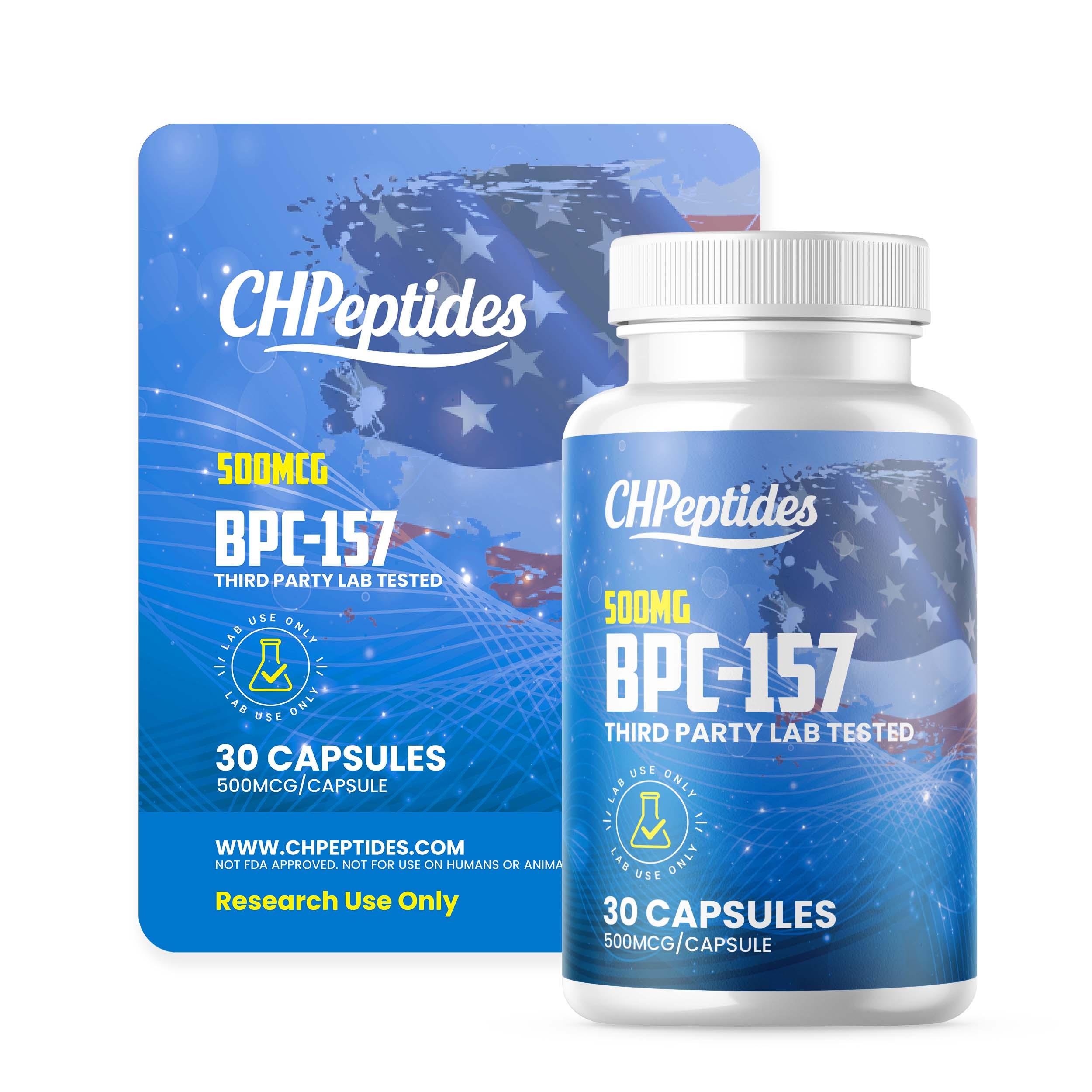
BPC-157 (500mcg-30)
Nomenclature & Synonyms
BPC-157, an acronym for Body Protection Compound-157, is a pentadecapeptide with the sequence Gly-Glu-Pro-Pro-Pro-Gly-Lys-Pro-Ala-Asp-Asp-Ala-Gly-Leu-Val. While it is often referred to as its BPC code name in scientific literature, it does not have an associated pharmaceutical development code or alternative naming conventions beyond BPC-157.
Structural Characteristics
BPC-157 consists of 15 amino acids, specifically Gly-Glu-Pro-Pro-Pro-Gly-Lys-Pro-Ala-Asp-Asp-Ala-Gly-Leu-Val. It does not derive from a larger parent protein nor does it possess any specific post-translational modifications such as N-terminal acetylation or C-terminal amidation. Its endogenous-like sequence contributes to its stability and resistance to protease degradation.
Molecular Pharmacology
BPC-157 has been studied for its potential interaction with growth hormone receptor pathways, although specific receptor targets are yet to be fully elucidated. Current studies suggest involvement in angiogenesis and NO pathway modulation. Detailed signaling pathways such as MAPK/ERK, PI3K/Akt, and other angiogenic-related cascades have been indicated, though precise EC50/IC50 values are not well-documented.
Research Applications
- First described in the late 1990s by research groups focusing on peptide therapies.
- Studies have demonstrated effects on cellular systems such as fibroblasts and endothelial cells, indicating roles in tissue regeneration and repair.
- Has shown increased angiogenesis in in vitro models, enhancing wound healing rates.
Technical Properties
BPC-157 is soluble in sterile water and typically recommended at concentrations of 1mg/mL for research applications. It remains stable in lyophilized form at room temperature for extended periods, whereas reconstituted solutions are stable when refrigerated (< 8°C) for short-term use.
Compliance
For laboratory research use only. Not for human or veterinary use. Not intended for diagnostic, therapeutic, or preventive applications.
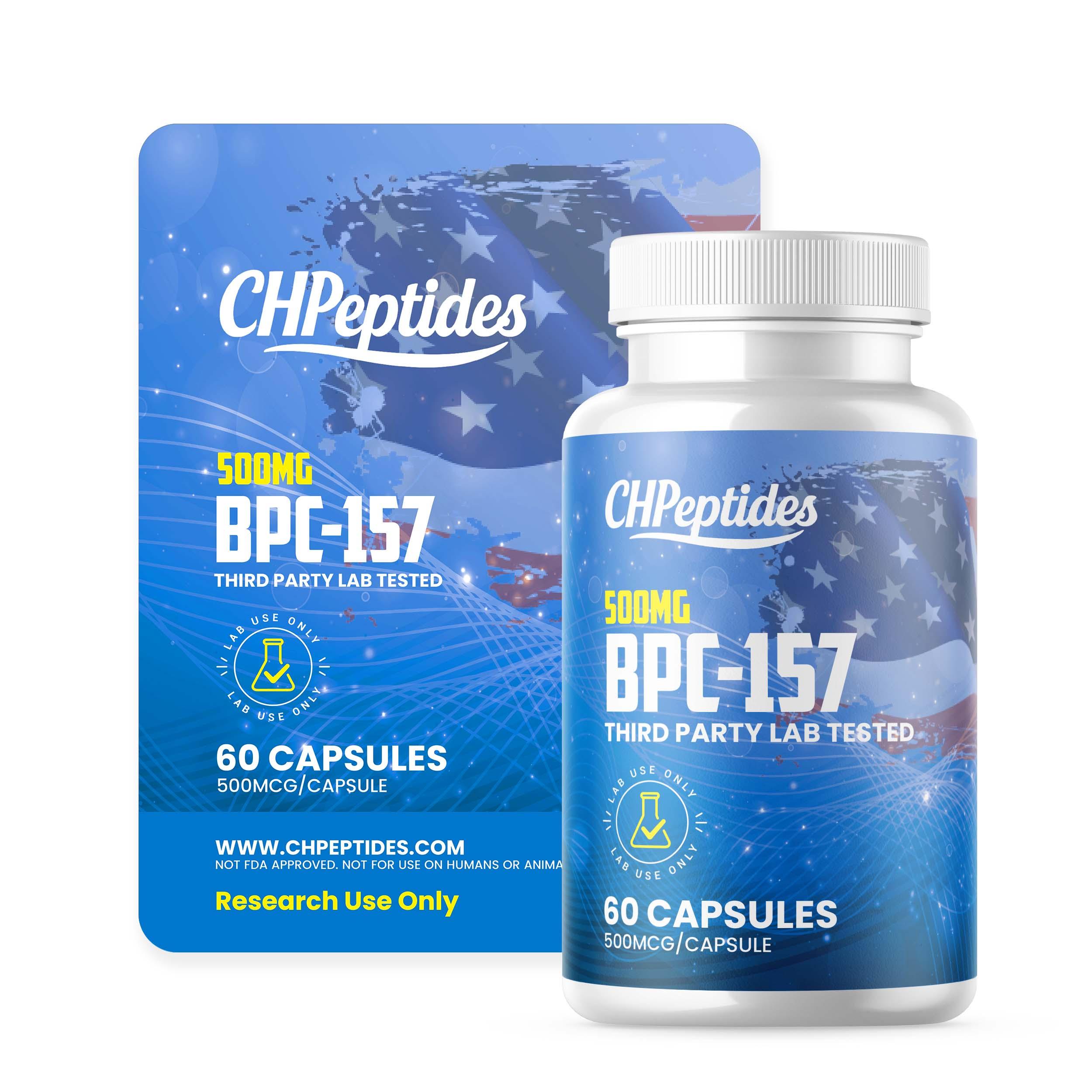
BPC-157 (500mcg-60)
Nomenclature & Synonyms
BPC-157, an acronym for Body Protection Compound-157, is a pentadecapeptide with the sequence Gly-Glu-Pro-Pro-Pro-Gly-Lys-Pro-Ala-Asp-Asp-Ala-Gly-Leu-Val. While it is often referred to as its BPC code name in scientific literature, it does not have an associated pharmaceutical development code or alternative naming conventions beyond BPC-157.
Structural Characteristics
BPC-157 consists of 15 amino acids, specifically Gly-Glu-Pro-Pro-Pro-Gly-Lys-Pro-Ala-Asp-Asp-Ala-Gly-Leu-Val. It does not derive from a larger parent protein nor does it possess any specific post-translational modifications such as N-terminal acetylation or C-terminal amidation. Its endogenous-like sequence contributes to its stability and resistance to protease degradation.
Molecular Pharmacology
BPC-157 has been studied for its potential interaction with growth hormone receptor pathways, although specific receptor targets are yet to be fully elucidated. Current studies suggest involvement in angiogenesis and NO pathway modulation. Detailed signaling pathways such as MAPK/ERK, PI3K/Akt, and other angiogenic-related cascades have been indicated, though precise EC50/IC50 values are not well-documented.
Research Applications
- First described in the late 1990s by research groups focusing on peptide therapies.
- Studies have demonstrated effects on cellular systems such as fibroblasts and endothelial cells, indicating roles in tissue regeneration and repair.
- Has shown increased angiogenesis in in vitro models, enhancing wound healing rates.
Technical Properties
BPC-157 is soluble in sterile water and typically recommended at concentrations of 1mg/mL for research applications. It remains stable in lyophilized form at room temperature for extended periods, whereas reconstituted solutions are stable when refrigerated (< 8°C) for short-term use.
Compliance
For laboratory research use only. Not for human or veterinary use. Not intended for diagnostic, therapeutic, or preventive applications.
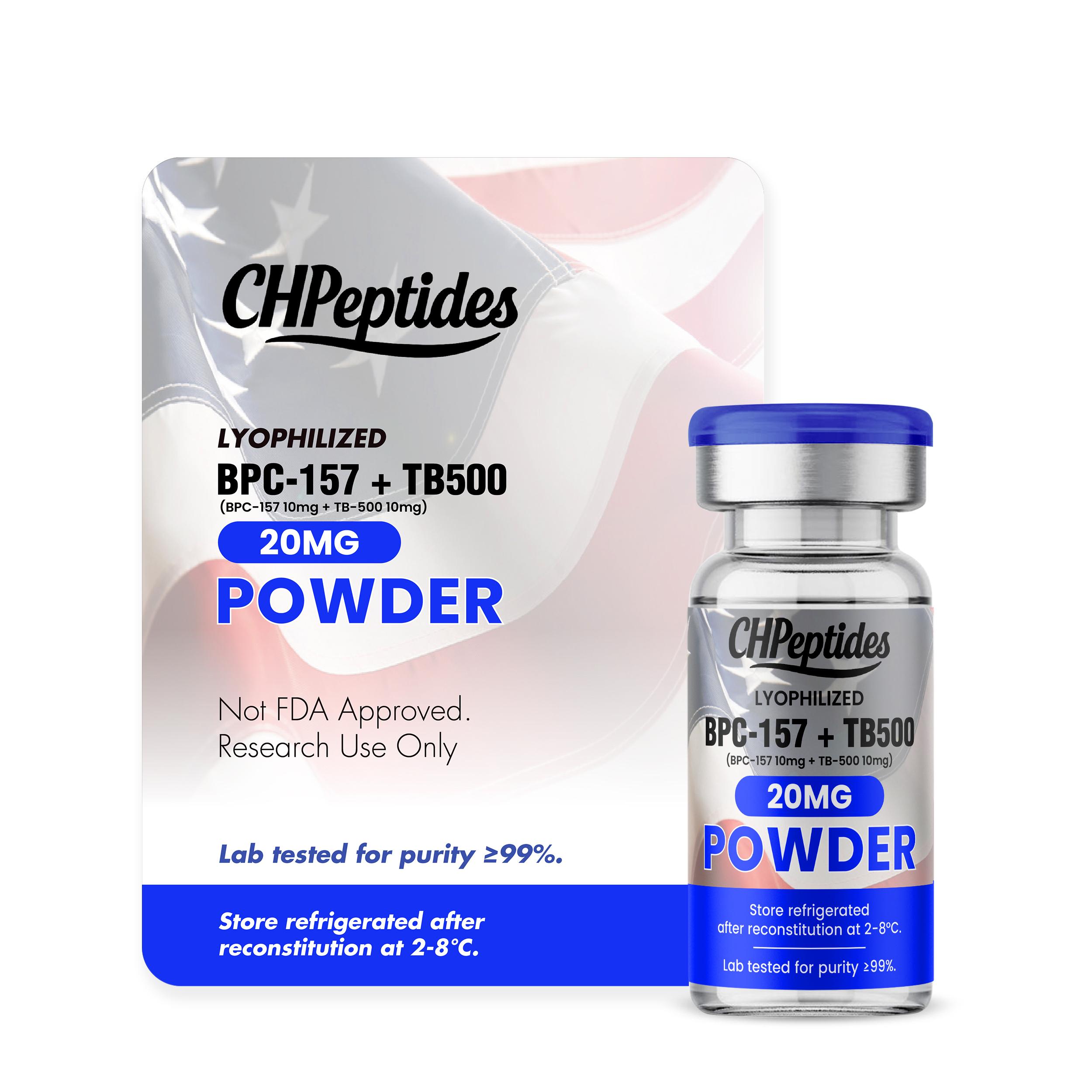
BPC-157 + TB-500 (20mg)
Nomenclature & Synonyms
BPC-157: Body Protection Compound-157, Peptide Fragment Derived from Human Gastric Juice. TB-500: Thymosin Beta-4 (TB4) Fragment, Research Code sometimes used interchangeably with a portion of Thymosin Beta-4.
Structural Characteristics
BPC-157: A pentadecapeptide with the sequence Glu-Pro-Pro-Gly-Pro-Gly-Lys-Pro-Ala-Asp-Asp-Ala-Gly-Leu-Val, consisting of 15 amino acids with a C-terminal amidation. TB-500: A shorter synthetic version of Thymosin Beta-4, typically referring to the sequence Ac-Ser-Asp-Lys-Pro-Asp-Met-Ala-Glu-Ile-Glu-Lys-Pro-Ala-Gly-Phe-Ser-Asp-Lys-D-Glu-P, with 20 amino acids.
Molecular Pharmacology
BPC-157: Acts primarily by promoting angiogenesis and modulating growth factor pathways through interactions with VEGFR (Vascular Endothelial Growth Factor Receptors) and potentially GPCRs (G-protein coupled receptors). TB-500: Affects actin dynamics through G-actin binding, influencing cell motility and wound healing processes. Studies suggest involvement in PI3K/Akt signaling modulation.
Research Applications
- BPC-157: First described in the 1990s, primarily by researchers focused on gastroprotective agents, notable in models of gut healing and protection against gastric lesions.
- TB-500: Initially described in research studying thymosins for their potential in wound healing and tissue regeneration, with emphasis on mobilization of regenerative cells.
Technical Properties
BPC-157: Soluble in sterile water at up to 5mg/mL. Stable as a lyophilized powder; reconstituted solutions should be used within 24 hours when stored at 2-8°C. TB-500: Soluble in sterile water at concentrations up to 2mg/mL. Lyophilized form stable under normal laboratory conditions.
Compliance
For laboratory research use only. Not for human or veterinary use. Not intended for diagnostic, therapeutic, or preventive applications.