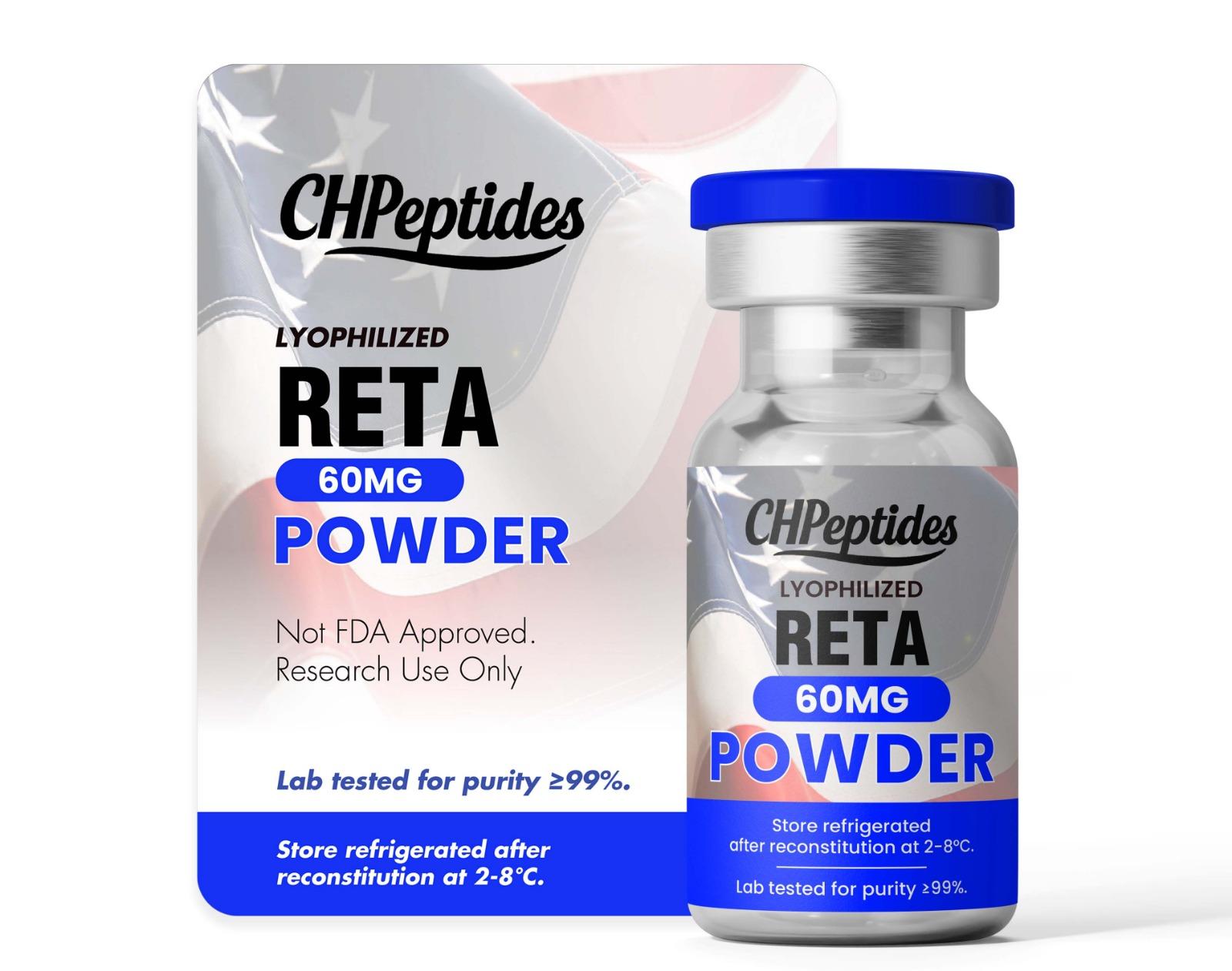
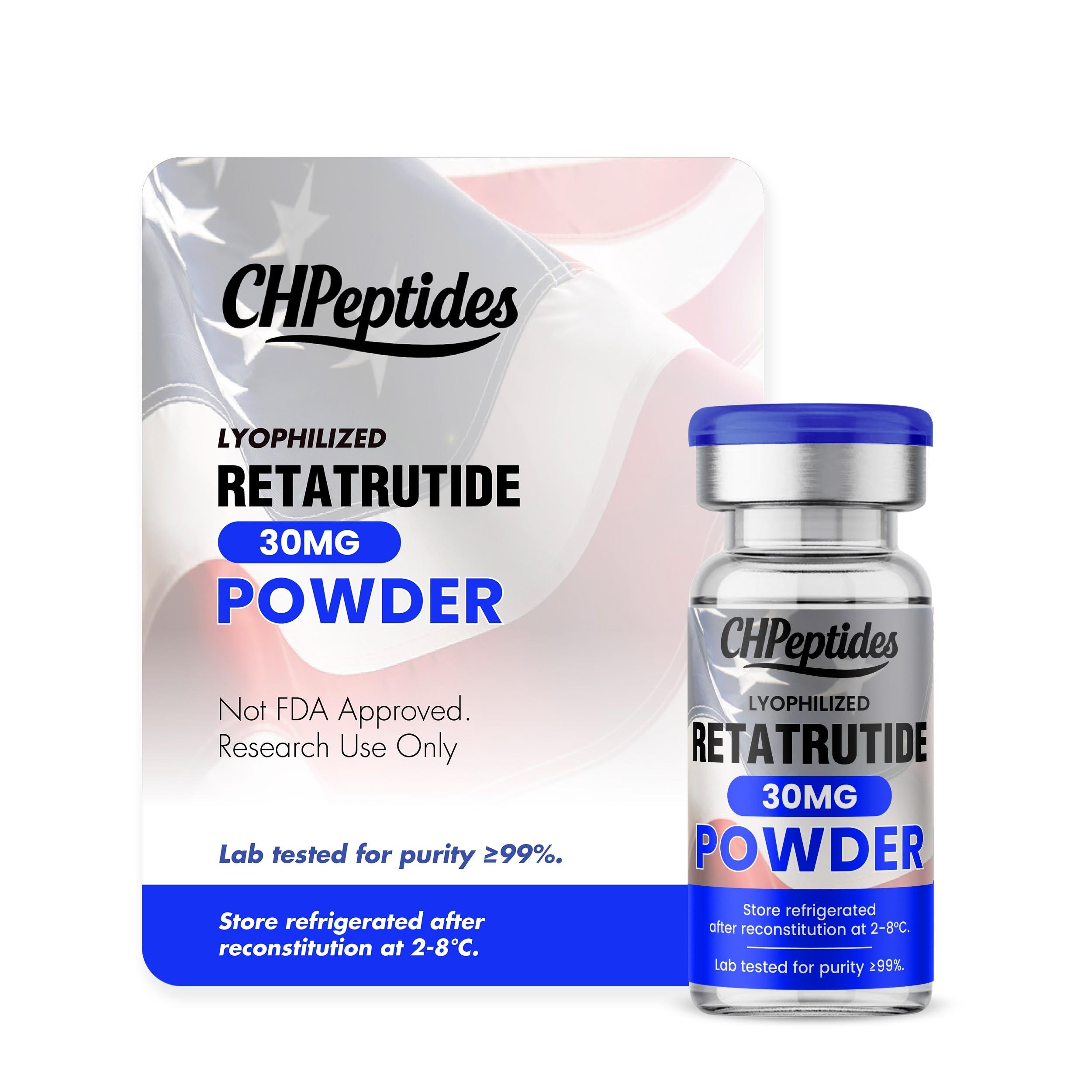
Orders placed before 2 P.M. PST Monday through Friday are shipped out same day!

CH Peptides
Every formulation is curated with lab-grade ingredients, and we're syncing up the freshest data from our inventory so you see accurate availability as soon as the app loads.
Loading live inventory
Syncing 24 research sprays
Verifying lab supplies
Supabase + Stripe ready
Orders placed before 2 P.M. PST Monday through Friday are shipped out same day!
Looks like you haven't added any products to your cart yet.
Loading...
Scientific Overview:
Cartalax is a synthetic peptide compound classified within a group of bioactive peptides that have been synthesized for detailed molecular biology studies. Its discovery lies in the broader context of peptide research aimed at elucidating complex biochemical pathways and mechanisms.
Cartalax consists of a specific peptide sequence featuring crucial amino acid residues that are instrumental in its interaction with various biomolecular targets. The structure may include post-translational modifications such as acetylation or amidation, which could influence the compound's stability and affinity within research settings. Such structural characteristics are pivotal for understanding receptor binding and signal transduction processes within its research applications.
The synthesis of Cartalax was first accomplished in the context of expanding the repertoire of peptides available for the study of protein interactions and enzymatic pathways. This compound has been investigated in relation to its binding properties and potential receptor targets, shedding light on its specificity and capacity to mimic or inhibit natural ligands. In vitro studies and cellular models have included its use, focusing on cellular responses and regulatory mechanisms instigated by peptide interactions.
Cartalax has been compared to other peptide analogs within its class, providing insights into its relative efficacy and affinities. This comparative analysis contributes to a broader understanding of peptide activity and potential cross-reactivity in research applications, further situating Cartalax in studies of signal modulation and receptor-ligand dynamics.
Cartalax exhibits specific solubility characteristics predominantly in aqueous media and can also be dissolved in organic solvents such as DMSO, depending on experimental requirements. Its stability is affected by environmental factors, and thus it should be handled under controlled conditions to preserve its integrity. For optimal research application, best practices in handling should be observed to mitigate degradation.
The analytical verification of Cartalax is conducted using robust techniques such as high-performance liquid chromatography (HPLC) and mass spectrometry (MS) to ensure the reliability of data in research settings. These methods provide confirmation of molecular identity and concentration.
This product is intended strictly for laboratory research purposes. Not for human or veterinary use. Not intended for diagnosis, treatment, cure, or prevention of any disease. Not for ingestion, injection, or any use in or on living organisms. Handle using appropriate laboratory safety procedures and personal protective equipment.
Scientific Overview:
Cartalax is a synthetic peptide compound classified within a group of bioactive peptides that have been synthesized for detailed molecular biology studies. Its discovery lies in the broader context of peptide research aimed at elucidating complex biochemical pathways and mechanisms.
Cartalax consists of a specific peptide sequence featuring crucial amino acid residues that are instrumental in its interaction with various biomolecular targets. The structure may include post-translational modifications such as acetylation or amidation, which could influence the compound's stability and affinity within research settings. Such structural characteristics are pivotal for understanding receptor binding and signal transduction processes within its research applications.
The synthesis of Cartalax was first accomplished in the context of expanding the repertoire of peptides available for the study of protein interactions and enzymatic pathways. This compound has been investigated in relation to its binding properties and potential receptor targets, shedding light on its specificity and capacity to mimic or inhibit natural ligands. In vitro studies and cellular models have included its use, focusing on cellular responses and regulatory mechanisms instigated by peptide interactions.
Cartalax has been compared to other peptide analogs within its class, providing insights into its relative efficacy and affinities. This comparative analysis contributes to a broader understanding of peptide activity and potential cross-reactivity in research applications, further situating Cartalax in studies of signal modulation and receptor-ligand dynamics.
Cartalax exhibits specific solubility characteristics predominantly in aqueous media and can also be dissolved in organic solvents such as DMSO, depending on experimental requirements. Its stability is affected by environmental factors, and thus it should be handled under controlled conditions to preserve its integrity. For optimal research application, best practices in handling should be observed to mitigate degradation.
The analytical verification of Cartalax is conducted using robust techniques such as high-performance liquid chromatography (HPLC) and mass spectrometry (MS) to ensure the reliability of data in research settings. These methods provide confirmation of molecular identity and concentration.
This product is intended strictly for laboratory research purposes. Not for human or veterinary use. Not intended for diagnosis, treatment, cure, or prevention of any disease. Not for ingestion, injection, or any use in or on living organisms. Handle using appropriate laboratory safety procedures and personal protective equipment.

Chorionic Gonadotropin; commonly abbreviated as HCG. It is a glycoprotein hormone composed of alpha and beta subunits, predominantly characterized in human pregnancy. No specific research codes or development codes are associated with the basic glycoprotein.
HCG is a heterodimeric protein composed of two non-covalently linked subunits: the alpha subunit (92 amino acids) shared with other hormones like LH, FSH, and TSH, and the beta subunit (145 amino acids) which is unique to HCG. The beta subunit contains distinct segments: H-Trp-Met-Ser-Glu-His-Ile-Thr-Arg-Tyr-Leu-... and features specific disulfide bridges essential for activity and stability.
HCG acts as an agonist to the luteinizing hormone/chorionic gonadotropin receptor (LHCG receptor). Binding of HCG to its receptor activates pathways such as the cAMP/PKA signaling cascade, promoting steroidogenesis. EC50 values are variable based on assay and cellular system but are indicative of potent agonist activity.
HCG is soluble in sterile water at concentrations of 1mg/mL for research applications. Upon reconstitution, the solution must be stored at 2-8°C and is stable for up to 24 hours. Lyophilized HCG remains stable at -20°C until reconstitution.
For laboratory research use only. Not for human or veterinary use. Not intended for diagnostic, therapeutic, or preventive applications.

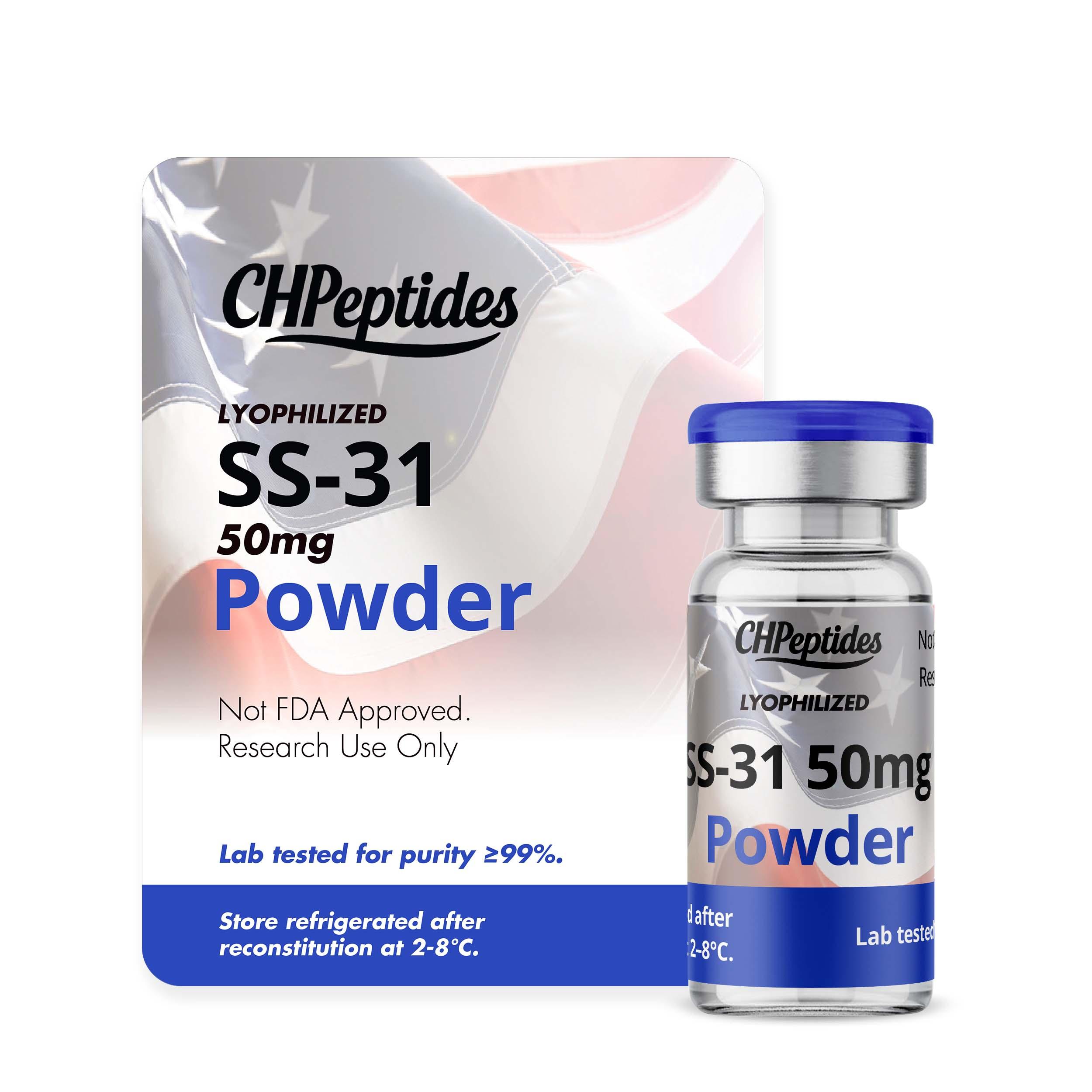
Retatrutide is referred to by its research code LY3502970. As of current knowledge, alternative naming conventions in the literature have not been extensively established.
Retatrutide is a peptide compound consisting of 39 amino acids. The exact amino acid sequence is: H-Thr-Lys-Asp-Glu-Leu-Gln-Ala-Ile-Arg-Trp-Leu-Lys-His-Glu-Arg-Asp-His-Gly-Ile-Lys-Lys-Glu-Cys-Leu-Glu-Glu-Val-Leu-Asp-Ser-Leu-Ala-Arg-Ala-Glu-Glu-Arg-OH. Specific modifications include N-terminal acetylation and C-terminal amidation to enhance its activity and stability. It is structurally designed to interact with multiple peptide receptors.
Retatrutide acts as an agonist at multiple receptors, including the GLP-1 receptor (GLP-1R) and the GIP receptor (GIPR), exhibiting multifaceted activity. Its mechanism enhances several intracellular signaling pathways, notably the cAMP/PKA and PI3K/Akt cascades. It demonstrates a unique binding profile, combining activities that influence metabolic pathways associated with glucose and lipid handling.
Retatrutide is notably soluble in sterile water at a concentration of 1mg/mL. For research applications, it is recommended to reconstitute the lyophilized form in an appropriate buffer and store it at -20°C to maintain stability. Once reconstituted, it remains stable for up to 3 weeks if stored under proper conditions.
For laboratory research use only. Not for human or veterinary use. Not intended for diagnostic, therapeutic, or preventive applications.
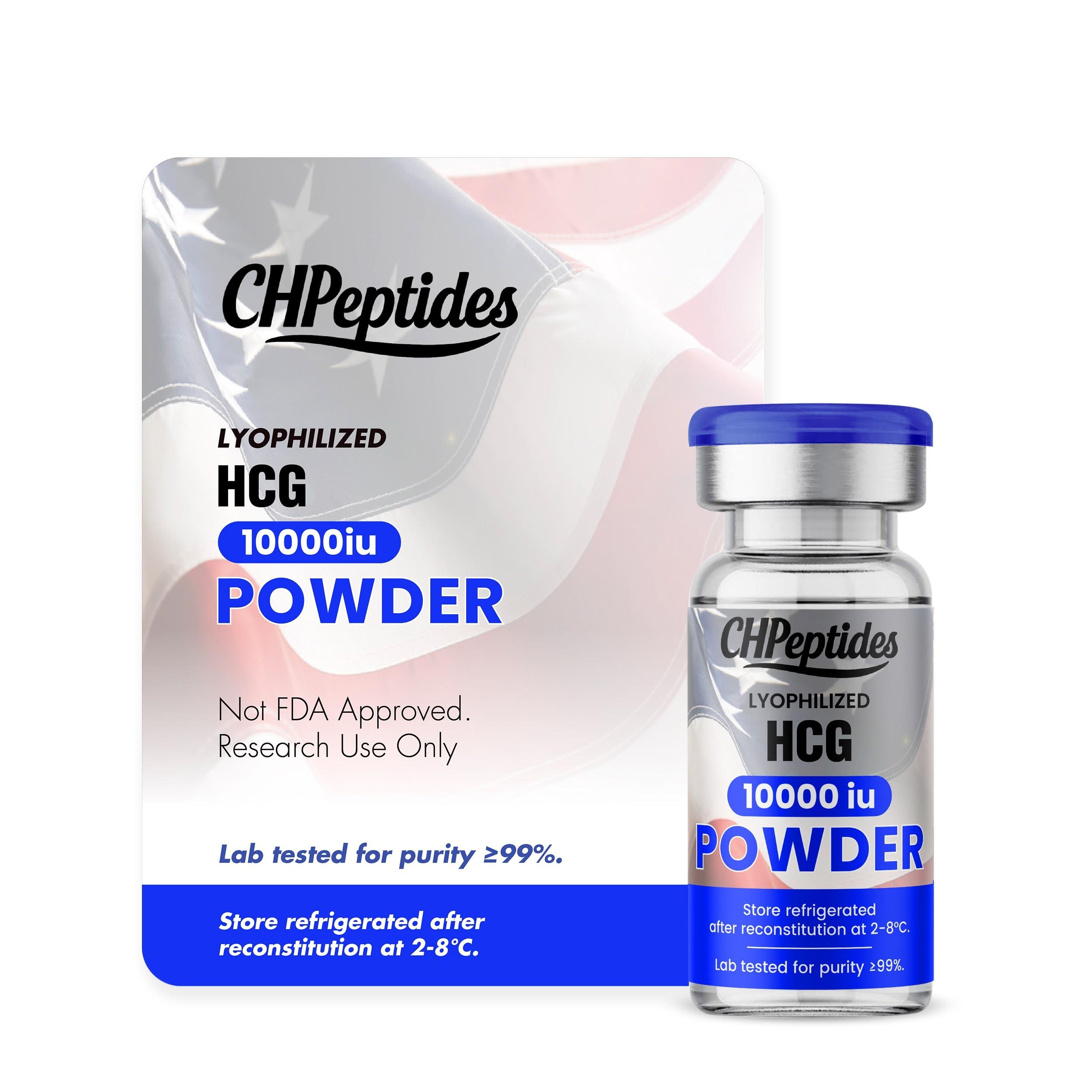
Retatrutide is referred to by its research code LY3502970. As of current knowledge, alternative naming conventions in the literature have not been extensively established.
Retatrutide is a peptide compound consisting of 39 amino acids. The exact amino acid sequence is: H-Thr-Lys-Asp-Glu-Leu-Gln-Ala-Ile-Arg-Trp-Leu-Lys-His-Glu-Arg-Asp-His-Gly-Ile-Lys-Lys-Glu-Cys-Leu-Glu-Glu-Val-Leu-Asp-Ser-Leu-Ala-Arg-Ala-Glu-Glu-Arg-OH. Specific modifications include N-terminal acetylation and C-terminal amidation to enhance its activity and stability. It is structurally designed to interact with multiple peptide receptors.
Retatrutide acts as an agonist at multiple receptors, including the GLP-1 receptor (GLP-1R) and the GIP receptor (GIPR), exhibiting multifaceted activity. Its mechanism enhances several intracellular signaling pathways, notably the cAMP/PKA and PI3K/Akt cascades. It demonstrates a unique binding profile, combining activities that influence metabolic pathways associated with glucose and lipid handling.
Retatrutide is notably soluble in sterile water at a concentration of 1mg/mL. For research applications, it is recommended to reconstitute the lyophilized form in an appropriate buffer and store it at -20°C to maintain stability. Once reconstituted, it remains stable for up to 3 weeks if stored under proper conditions.
For laboratory research use only. Not for human or veterinary use. Not intended for diagnostic, therapeutic, or preventive applications.