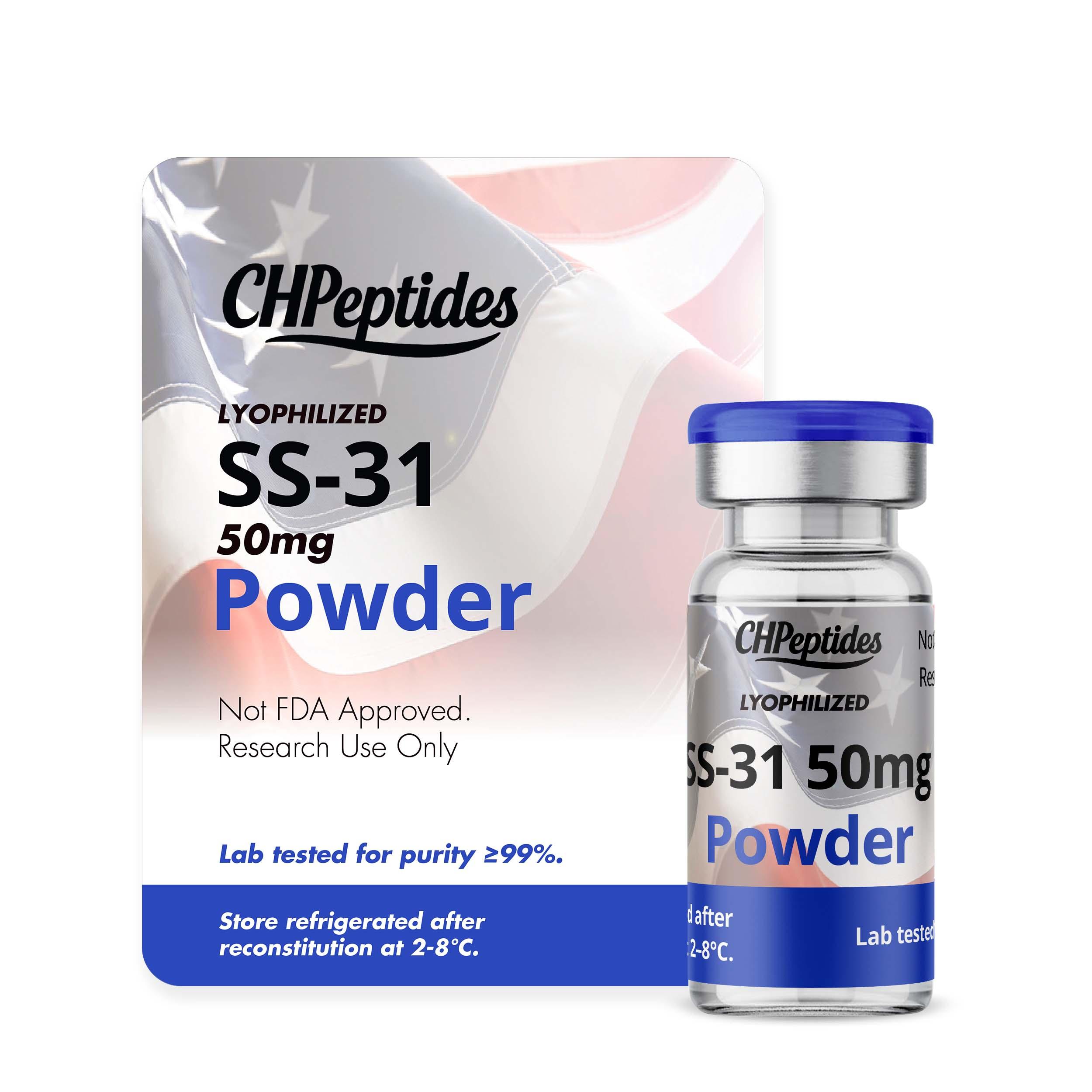
Orders placed before 2 P.M. PST Monday through Friday are shipped out same day!

CH Peptides
Every formulation is curated with lab-grade ingredients, and we're syncing up the freshest data from our inventory so you see accurate availability as soon as the app loads.
Loading live inventory
Syncing 24 research sprays
Verifying lab supplies
Supabase + Stripe ready
Orders placed before 2 P.M. PST Monday through Friday are shipped out same day!
Looks like you haven't added any products to your cart yet.
Loading...
Semax is scientifically named as Met-Glu-His-Phe-Pro-Gly-Pro. It is a synthetic heptapeptide derived from the N-terminal fragment of adrenocorticotropic hormone (ACTH). It is commonly referred to as ACTH(4-10) in research literature. There are no specific research or development codes publicly associated with this compound.
The peptide sequence for Semax is Met-Glu-His-Phe-Pro-Gly-Pro, consisting of 7 amino acids. Notably, Semax is modified by the addition of a C-terminal Pro-Gly-Pro sequence which is not present in native ACTH. It does not contain disulfide bridges or other typical peptide modifications like acetylation or amidation.
Semax primarily targets melanocortin receptors, specifically acting as an agonist at the MC4 receptor. It is thought to influence signaling pathways such as cAMP/PKA due to its derivation from ACTH. Semax's selectivity towards MC4 is noted to be higher compared to other melanocortin receptors.
Semax is soluble in sterile water at 1 mg/mL. For research use, it is recommended that this compound be stored in lyophilized form at -20°C for long-term stability.
For laboratory research use only. Not for human or veterinary use. Not intended for diagnostic, therapeutic, or preventive applications.

Semax is scientifically named as Met-Glu-His-Phe-Pro-Gly-Pro. It is a synthetic heptapeptide derived from the N-terminal fragment of adrenocorticotropic hormone (ACTH). It is commonly referred to as ACTH(4-10) in research literature. There are no specific research or development codes publicly associated with this compound.
The peptide sequence for Semax is Met-Glu-His-Phe-Pro-Gly-Pro, consisting of 7 amino acids. Notably, Semax is modified by the addition of a C-terminal Pro-Gly-Pro sequence which is not present in native ACTH. It does not contain disulfide bridges or other typical peptide modifications like acetylation or amidation.
Semax primarily targets melanocortin receptors, specifically acting as an agonist at the MC4 receptor. It is thought to influence signaling pathways such as cAMP/PKA due to its derivation from ACTH. Semax's selectivity towards MC4 is noted to be higher compared to other melanocortin receptors.
Semax is soluble in sterile water at 1 mg/mL. For research use, it is recommended that this compound be stored in lyophilized form at -20°C for long-term stability.
For laboratory research use only. Not for human or veterinary use. Not intended for diagnostic, therapeutic, or preventive applications.

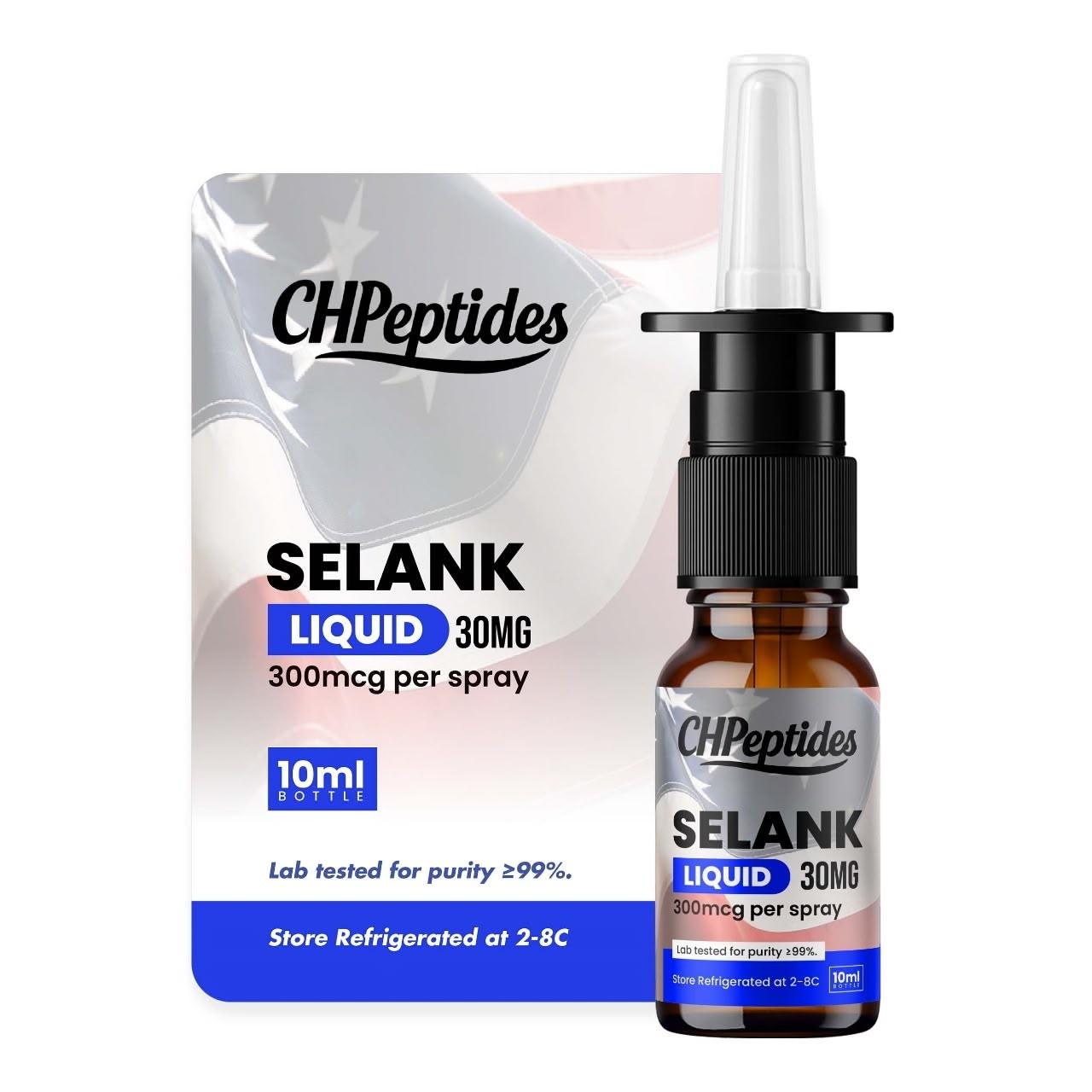
Selank is a synthetic heptapeptide with the sequence Thr-Lys-Pro-Arg-Pro-Gly-Pro. It is also referred to by the research code TP-7 and is related to the parent compound Tuftsin, a natural peptide factor.
The amino acid sequence Thr-Lys-Pro-Arg-Pro-Gly-Pro comprises seven residues. Selank is a derivative of the immunomodulatory peptide tuftsin, consisting of the natural tuftsin fragment with a tail to enhance stability and receptor interaction. It lacks modifications such as N-terminal or C-terminal acetylation or amidation.
Selank primarily interacts with neuromodulatory neurotransmitter systems, including serotonin and dopamine systems. It acts as an agonist in these pathways, often impacting the expression of neurotrophic factors. The modulation of cAMP signaling pathways and MAO-A enzyme inhibition are two studied mechanisms, though no specific receptor binding is well-documented.
Selank is soluble in sterile water at 2mg/mL.
For laboratory research use only. Not for human or veterinary use. Not intended for diagnostic, therapeutic, or preventive applications.
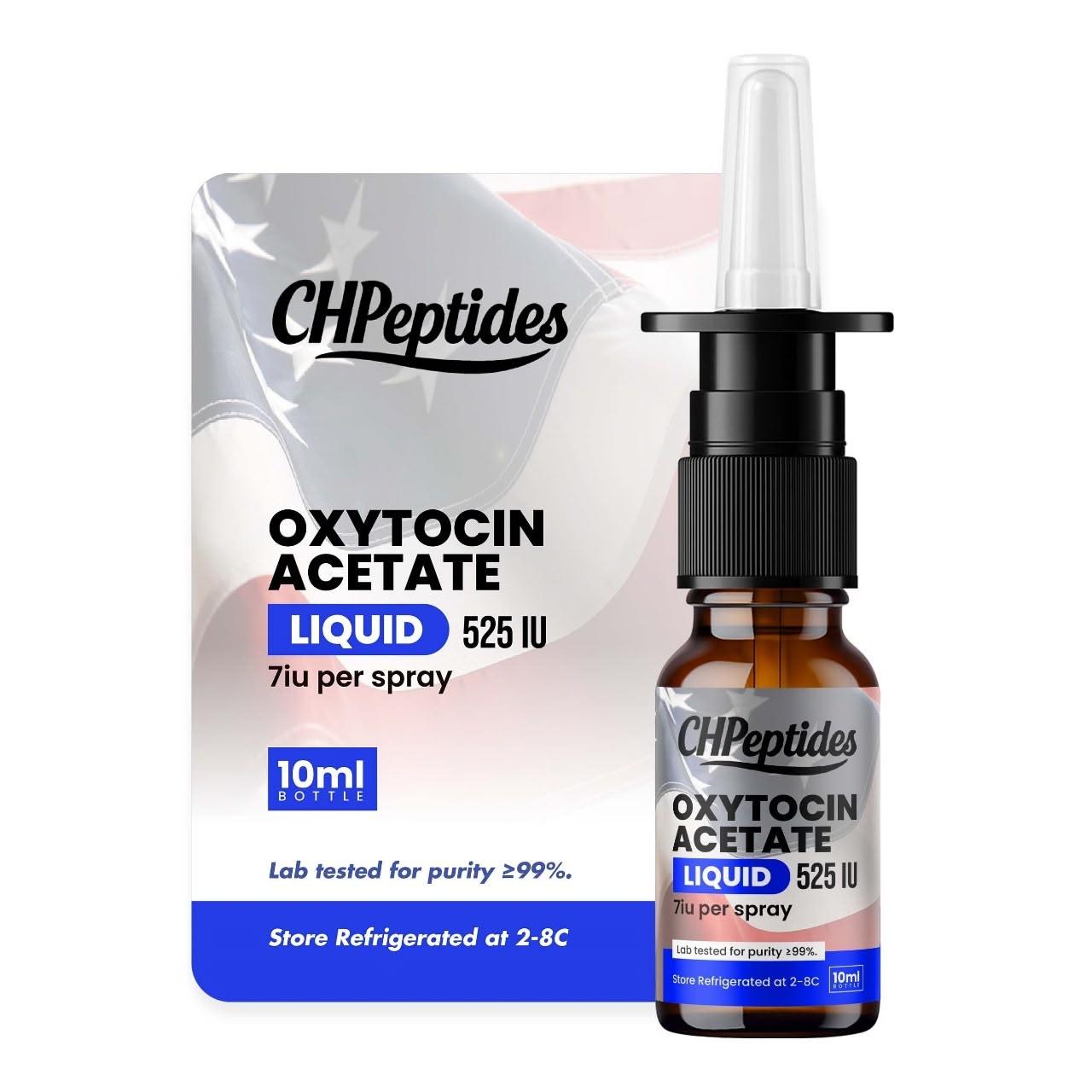
Oxytocin Acetate, also known by research codes such as OT-635, is derived from the parent compound oxytocin. It is a neuropeptide hormone used in various research studies focusing on its broad physiological effects.
The peptide sequence of Oxytocin Acetate is Cysteine-Tyrosine-Isoleucine-Glutamine-Asparagine-Cysteine-Proline-Leucine-Glycine-NH2. It consists of 9 amino acids with a disulfide bond between the two cysteine residues, contributing to its cyclic structure. The C-terminal glycine is amidated.
Oxytocin primarily acts as an agonist at the oxytocin receptor (OXTR), a G-protein-coupled receptor that triggers the phosphatidylinositol-calcium second messenger system. It has also been observed to engage with vasopressin receptors, albeit at lower affinity. Studies have outlined its involvement in the modulation of MAPK/ERK and PI3K/Akt pathways, which align with its roles in social and reproductive behaviors.
Oxytocin Acetate is soluble in sterile distilled water at a concentration of 1 mg/mL. It is recommended to handle this compound under sterile conditions to ensure integrity.
For laboratory research use only. Not for human or veterinary use. Not intended for diagnostic, therapeutic, or preventive applications.
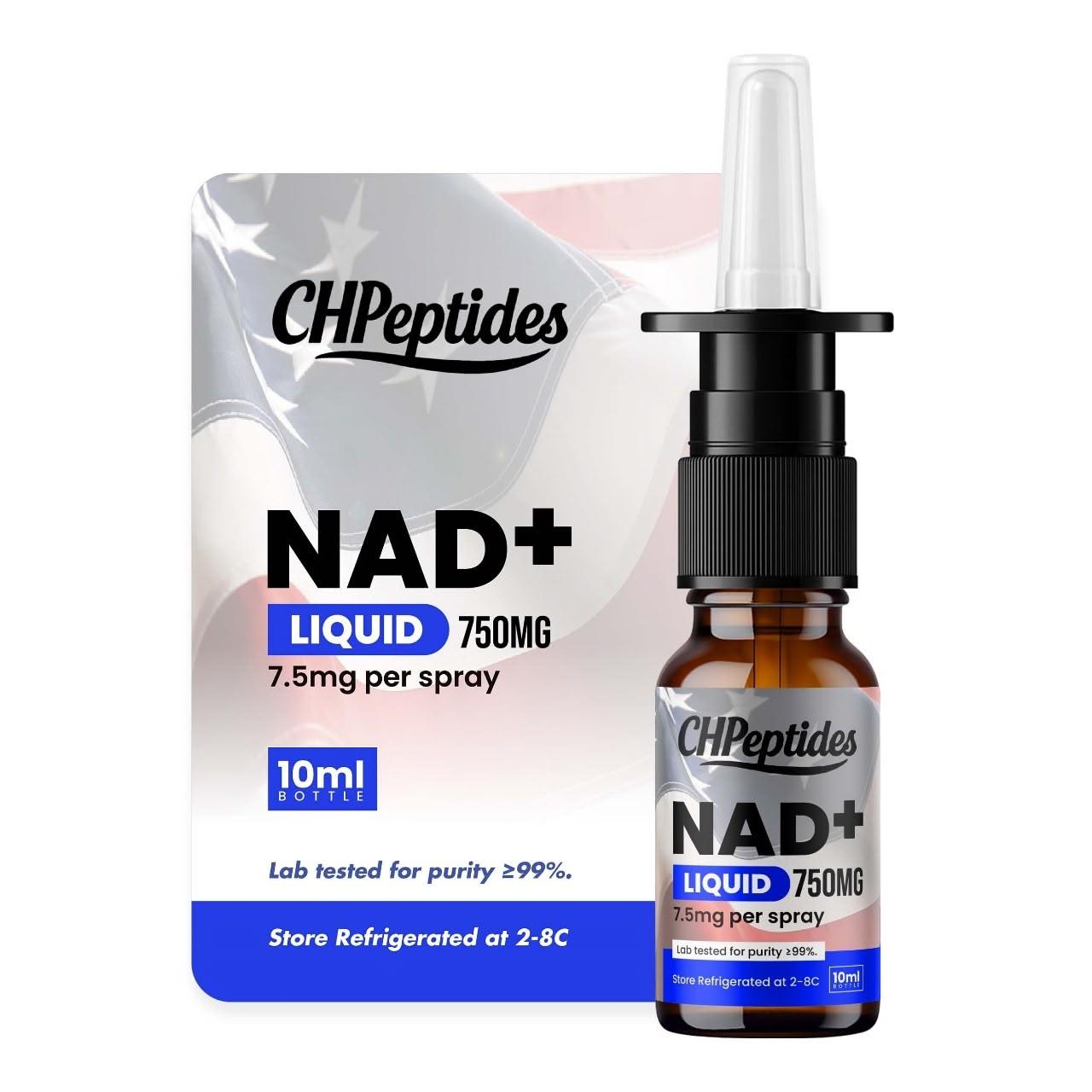
Nicotinamide adenine dinucleotide in its reduced form does not have specific other designations or distinguished development codes. It is derived from core compounds encompassing nicotinamide, ribose, and adenine dinucleotide structures. Common scientific references use 'NAD+' interchangeably with these components.
NAD+ itself is not an amino acid peptide, therefore it does not have an amino acid sequence. It is a dinucleotide derived from two nucleosides (adenine and nicotinamide) linked through their phosphate groups. No specific structural modifications such as acetylation or amidation apply beyond standard biochemical redox processes where NAD+ undergoes conversion to NADH and vice versa.
The activity of NAD+ prominently involves its role as a cofactor. It is integrally involved in enzymatic reactions such as dehydrogenase activity where it acts as an electron donor/acceptor. It plays a role in pathways like the poly(ADP-ribose) polymerase (PARP) family, SIRT1-7 in the sirtuin class (acting as a co-substrate to deacetylases), and key roles in cellular signaling pathways including calcium signaling, energy production through oxidative phosphorylation, and the tricarboxylic acid cycle.
Soluble in aqueous solutions, generally recommended for reconstitution in distilled water at concentrations appropriate to experimental requirements.
For laboratory research use only. Not for human or veterinary use. Not intended for diagnostic, therapeutic, or preventive applications.